What type of sign is MOSTLY triangular?
Warning signs are predominantly triangular to immediately alert drivers to potential hazards. The unique shape is easily recognizable, even at a distance, ensuring quick recognition of potential dangers ahead. ⚠️
Why not the others?
Regulatory — Regulatory signs are usually rectangular and inform drivers of traffic laws.
Informational — Informational signs vary in shape but are often rectangular, providing guidance or information. 🗺️
Directional — Directional signs are typically rectangular, guiding drivers to specific locations. 📍
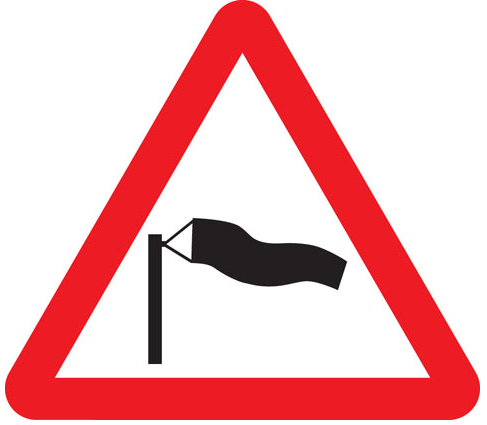
What does this sign indicate?
This triangular warning sign with a windsock symbol means there may be strong or sudden side winds ahead.
What do double yellow lines indicate regarding waiting?
Waiting allowed with a time plate.
Waiting allowed to load goods.
Waiting allowed on Sundays.
Waiting prohibited at any time.
Double yellow lines mean no waiting at any time. This applies to all vehicles and all days of the week. 🚫
Why not the others?
Waiting allowed with a time plate — Double yellow lines don't allow waiting based on time plates. Time plates usually apply to single yellow lines.
Waiting allowed to load goods — Double yellow lines typically prohibit waiting for any reason, including loading goods, unless local signs indicate otherwise. 🚚
Waiting allowed on Sundays — Double yellow lines apply at all times, including Sundays, unless signs state otherwise. 🗓️
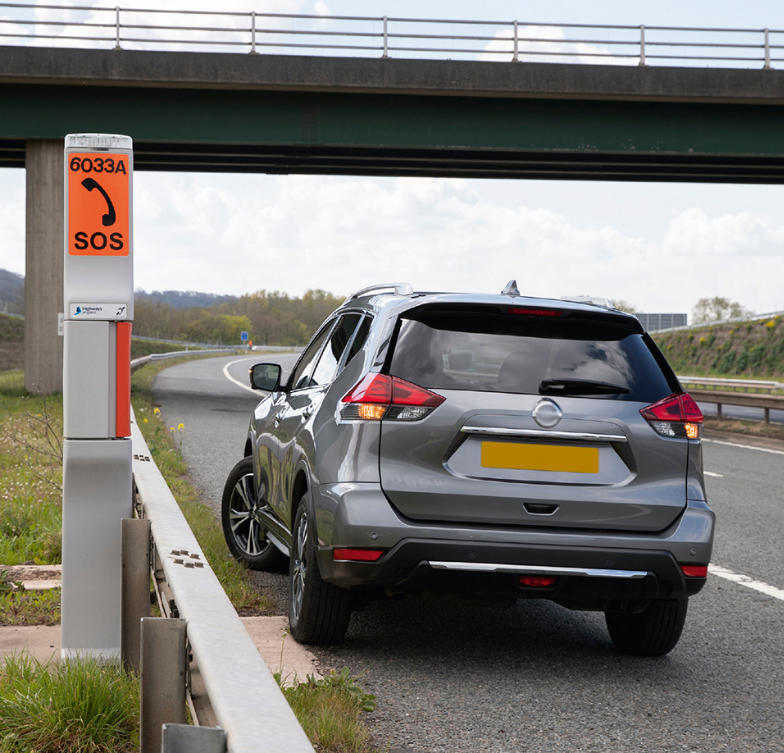
Your car breaks down on the motorway, and you park it on the left side near an SOS phone. What is the safest action to take next?
Wave down passing vehicles for help.
Stand in front of your car to warn traffic.
Wait on the verge, away from traffic.
Stay inside the car with hazard lights on.
If your car breaks down on the motorway, never stay inside the vehicle or attempt repairs by the carriageway. The safest action is to exit using the left-hand door, move passengers to the verge, and wait there until help arrives.
Which officer's signals MUST drivers obey?
Drivers must obey signals from all officers, including police, DVSA, and traffic officers. These officers are authorized to direct traffic and ensure road safety.👮♀️🚗
Why not the others?
Police officers only — All officers are authorized to give signals, not just police officers.👮♂️
DVSA officers only — All officers are authorized to give signals, not just DVSA officers. 👮
Traffic officers only — All officers are authorized to give signals, not just traffic officers. 🚦
When should you keep to the left?
Always, regardless of signs.
Only on right-hand bends.
Unless signs indicate otherwise.
Keeping to the left is the default rule, unless road signs or markings indicate otherwise. For example, you might need to move to the right to overtake or follow specific lane directions.
Why not the others?
Always, regardless of signs — This is incorrect because road signs can instruct you to do otherwise.
Only on right-hand bends — This is incorrect because bends have nothing to do with what side of the road you drive on.
Only when overtaking — This is incorrect because you should drive on the left side of the road, except when overtaking.
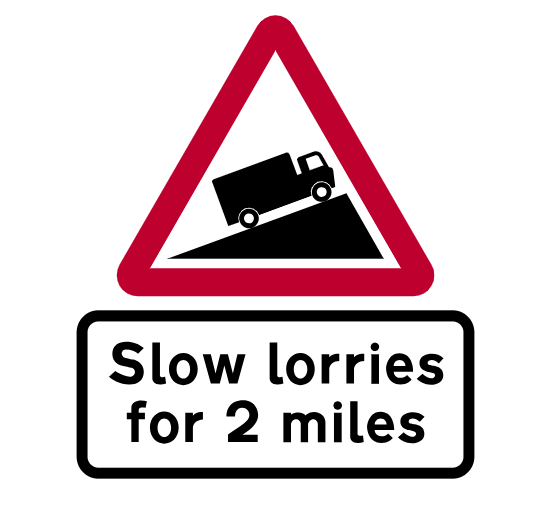
What does this sign indicate?
Lorries moving slowly for a short distance.
Slow-moving vehicles for the distance shown.
Lorries will block the road.
This sign indicates that slow-moving vehicles, like lorries, will continue for the specific distance shown, alerting drivers to adjust their speed.
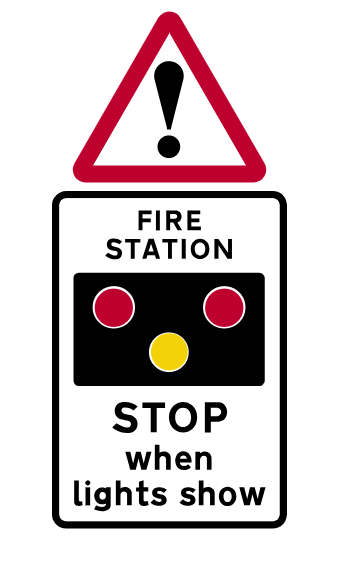
What does this sign mean?
Stop at all times near a fire station.
Prepare to stop when warning lights flash.
Reduce speed before entering fire station.
This sign warns of a fire station ahead and instructs drivers to stop only when the lights are flashing, as emergency vehicles may be emerging.
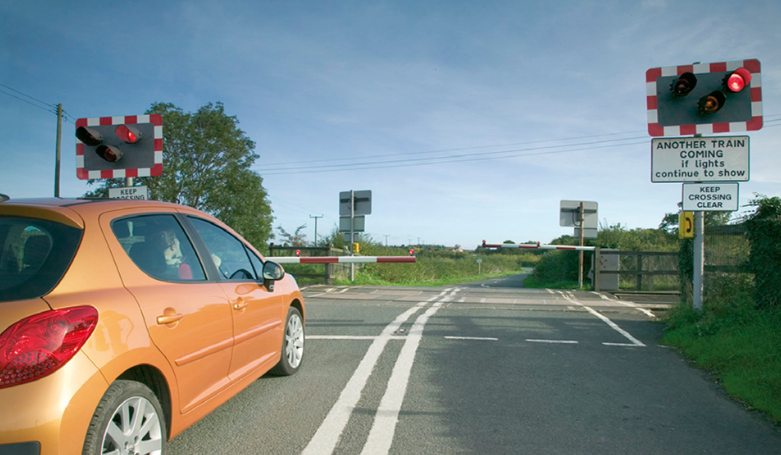
You approach a railway crossing. The lights turn red and barriers begin to lower. What must you do?
Stop and wait until safe.
Stop only if a train comes.
When the red lights show and the barriers begin to lower at a railway crossing, you must stop. It’s illegal and extremely dangerous to drive through once the warning lights are flashing.
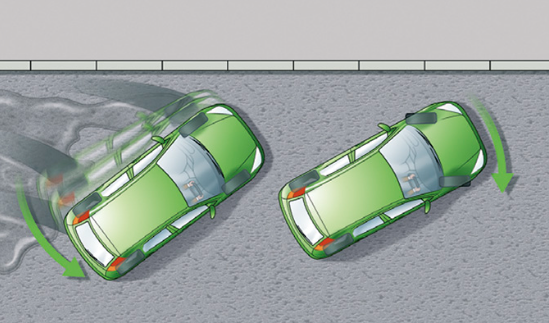
You're driving on a wet road when your car's rear wheels begin to skid to the right. How should you respond?
Steer firmly to the left.
Steer gently to the right.
Pull the handbrake sharply.
If the rear wheels skid to the right, you must steer into the skid — in this case, gently to the right. This helps you regain control and straighten the vehicle. Braking or accelerating suddenly, pulling the handbrake, or steering the wrong way will make the skid worse.
What is the BEST action if your vehicle breaks down?
Call your insurance company first.
Get everyone clear immediately.
Try to fix the vehicle yourself.
Wait for assistance inside the vehicle.
The safest action when your vehicle breaks down is to immediately move everyone to a safe distance away from the vehicle and the road. This minimizes the risk of injury from passing traffic. 🚗💨
Why not the others?
Try to fix the vehicle yourself — Attempting to fix the vehicle yourself can be dangerous, especially on a busy road. Prioritize safety first.
Wait for assistance inside the vehicle — Waiting inside the vehicle can be risky, as it exposes you to potential collisions from other vehicles.💥
Call your insurance company first — While contacting your insurance company is important, your immediate priority should be ensuring the safety of yourself and your passengers. 📱➡️ 🚑
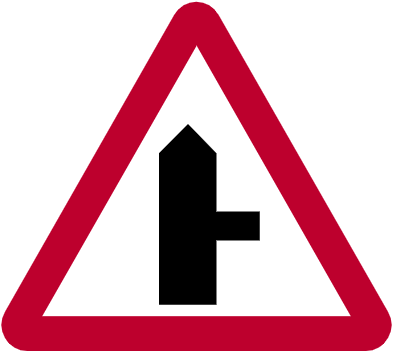
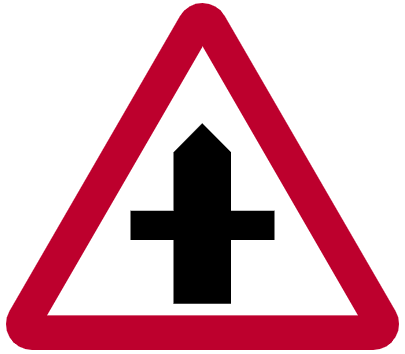
Which traffic sign means ‘Crossroads ahead’?
The crossroads ahead warning sign is a red triangle with a large vertical black line (the main road) and a smaller horizontal black line crossing through the middle.
When parking uphill, which action MUST you take?
Leave wheels parallel to curb.
Turn wheels away from curb.
Turning your wheels away from the curb when parking uphill will cause the vehicle to roll backwards into the curb if the brakes fail. This prevents it from rolling into traffic. 🚗
Why not the others?
Turn wheels toward curb — This is the procedure for parking downhill.
Keep wheels straight — If the wheels are kept straight and the brakes fail, the car could roll straight into traffic.
Leave wheels parallel to curb — Parallel wheels offer no resistance and the vehicle will roll into traffic if the brakes fail.
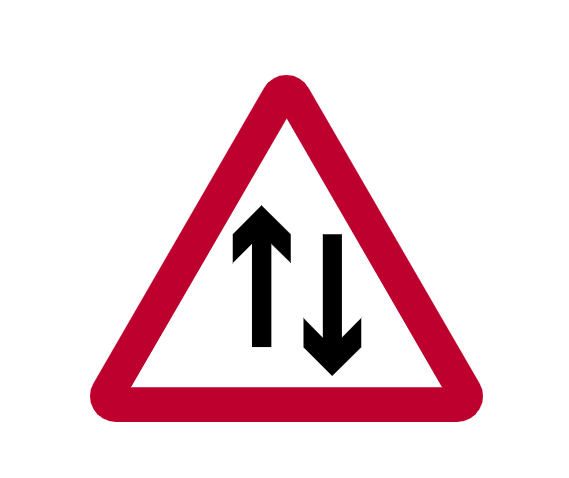
What does this sign represent?
Two-way traffic on route crossing ahead.
End of dual carriageway ahead.
This triangular warning sign with two black arrows, one pointing up and one pointing down, means that the road ahead is no longer a one-way street — traffic will be moving in both directions.
If waiting restrictions do not show the days, when are they enforced?
Every day, including Sundays.
Saturdays and Sundays only.
Weekdays only, excluding bank holidays.
If waiting restrictions don't specify particular days, they apply every day, including Sundays. This means the restriction is in effect seven days a week.
Why not the others?
Weekdays only, excluding bank holidays — Restrictions that apply only on weekdays will typically be signposted to indicate this.
Saturdays and Sundays only — Restrictions applying only on weekends would be explicitly indicated.
Excluding bank holidays — Unless specified, waiting restrictions apply on bank holidays as well.
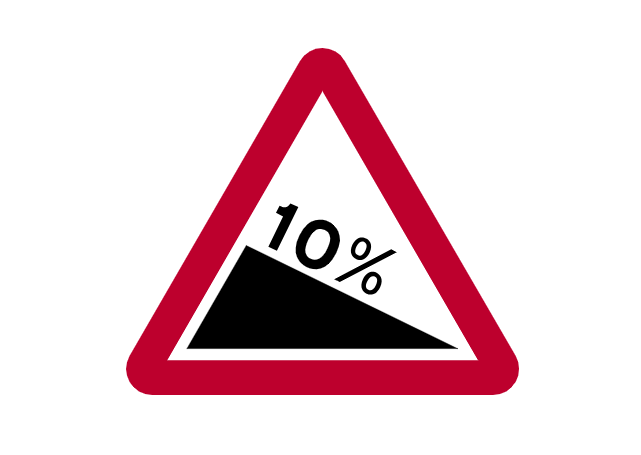
What does this sign indicate?
Steep hill downwards ahead.
Steep hill upwards ahead.
Water course alongside road ahead.
The triangular warning sign showing a vehicle on a slope pointing downward means there is a steep downhill section ahead.
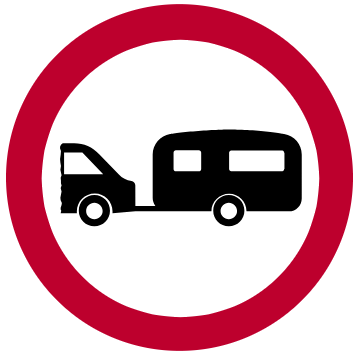
What does this sign mean?
This circular red-bordered prohibition sign with a car towing a caravan inside means that vehicles towing caravans are not allowed beyond this point.
What does a flashing red light at a level crossing indicate?
Reduce speed and observe.
Yield to oncoming traffic.
A flashing red light at a level crossing signals an immediate hazard, indicating that a train is approaching. Therefore, you must stop to avoid a collision. 🛑
Why not the others?
Proceed with caution. — This is incorrect because a flashing red light indicates an immediate danger, requiring a complete stop, not just caution.
Reduce speed and observe. — This is incorrect because the signal requires an immediate stop, not just slowing down.
Yield to oncoming traffic. — This is incorrect because the signal is specifically for stopping due to an approaching train, not related to other vehicles.
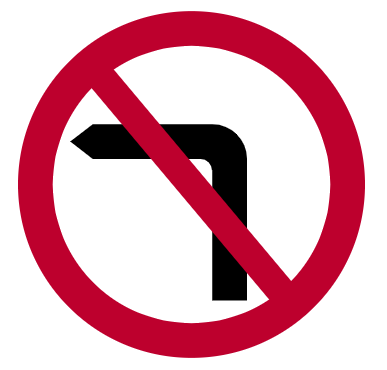
What does this sign represent?
This circular red-bordered prohibition sign with a left-pointing arrow crossed by a red diagonal line means No left turn.
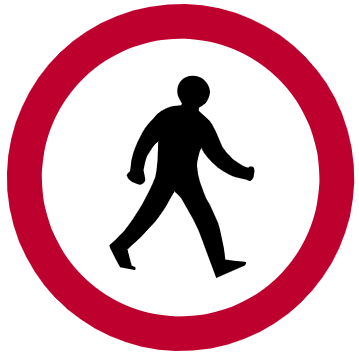
What does this sign indicate?
This circular red-bordered prohibition sign with a pedestrian symbol inside means pedestrians are not allowed beyond this point.
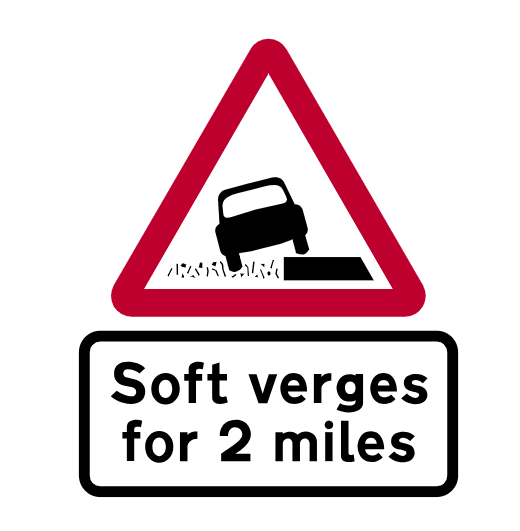
What does this sign mean?
Soft verges for less than 2 miles.
Soft verges for more than 2 miles.
This sign indicates that soft verges are present for exactly 2 miles, and drivers should be cautious when pulling over, while the other options provide incorrect distances.
When planning to drive, what is the best solution regarding alcohol?
The safest approach to driving and alcohol is to not drink at all. Any amount of alcohol can impair driving ability, regardless of legal limits.🚗💨
Why not the others?
Drink below legal limit — Even a small amount of alcohol can impair driving skills.
Drink with food — Food can slow down alcohol absorption, but it doesn't eliminate impairment.
Drink water — Water can help with hydration but does not counteract the effects of alcohol on driving ability.
When should you return to the left lane when overtaking?
Immediately after passing.
When the speed limit changes.
When it is safe to do so.
Returning to the left lane after overtaking should only be done when it is safe. This ensures you don't cut off the vehicle you just passed and maintain a safe distance.🚦
Why not the others?
Immediately after passing — This is unsafe, as you may cut off the overtaken vehicle.
After driving one mile — This is impractical and potentially unsafe; distance isn't the determining factor.
When the speed limit changes — Speed limit changes are unrelated to safe lane merging after overtaking.
What does this sign mean?
Start of motorway regulations.
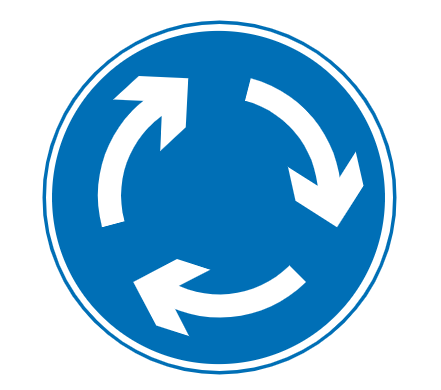
This circular blue sign with three white arrows forming a circle indicates a mini-roundabout ahead.
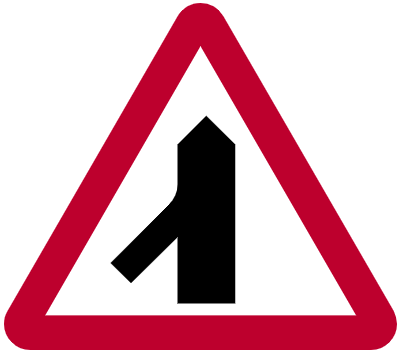
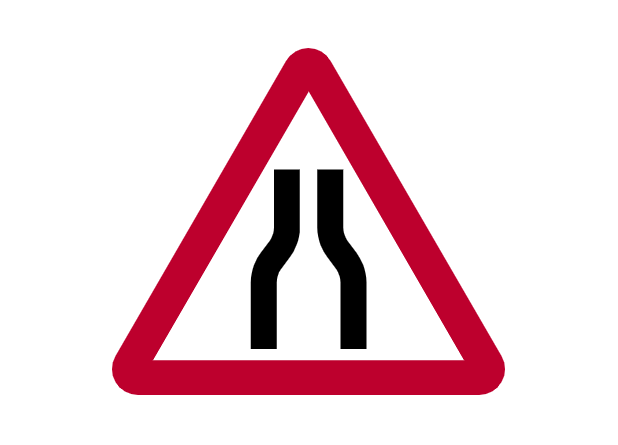
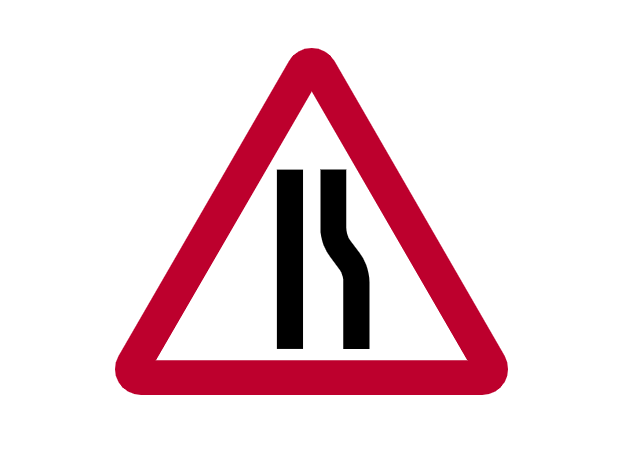
Which of these signs means you are leaving a Dual Carriageway?
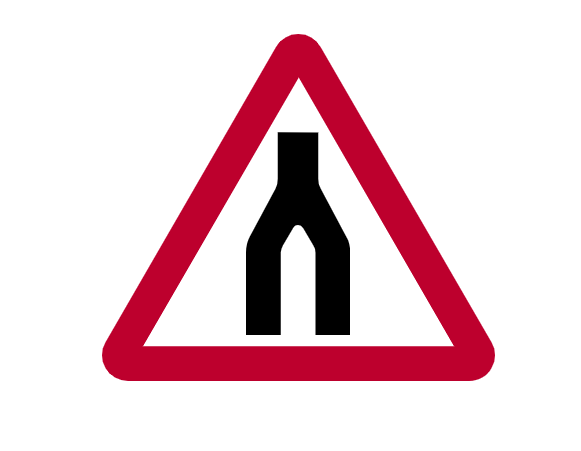
This triangular warning sign indicates that the dual carriageway is ending and a single carriageway begins.
very easy to learn the thoery thank you