Revision Module: 01 of 14
Full Free Driving Theory Practice Test 1
Test your knowledge on UK road rules and official traffic signs.
Syllabus Covered
The Highway Code & Traffic Signs
Question Pool
25 Multiple-Choice Questions
Target Pass Mark
Aim for 86% or higher
📝 Test Instructions: Try to answer all questions without skipping. This practice run will help you measure your real test readiness.
Start Theory Test 1
Real Exam Mode: Q&A with Explanations
What does this traffic sign represent?
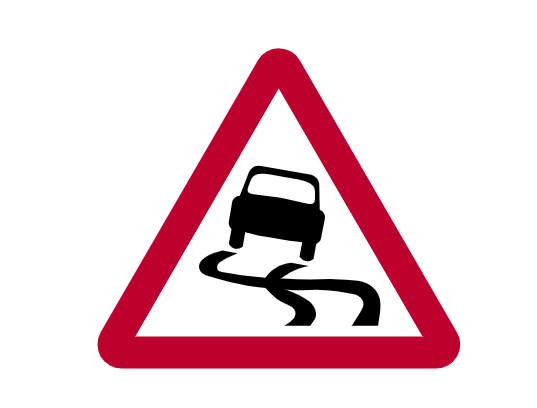
Slippery road ahead.
Uneven road ahead.
Hump bridge ahead.
This triangular warning sign with a black car and skid marks means the road ahead may be slippery, particularly in wet, icy, or muddy conditions.
What is the purpose of an escape lane?
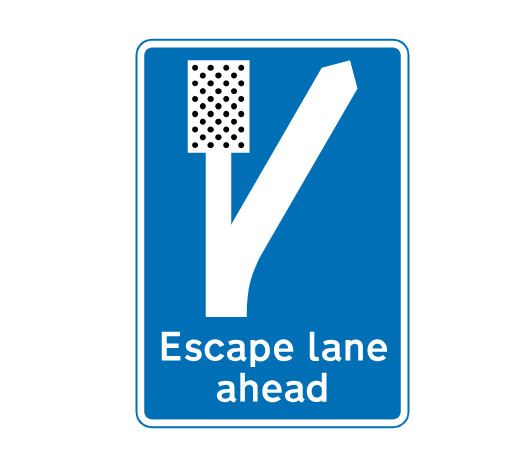
Designated truck lane.
Emergency stopping area.
High-speed passing lane.
Regular traffic lane.
An escape lane (runaway lane) is an emergency stopping area, usually on steep downhill roads. It allows vehicles with brake failure to slow down and stop safely, helping prevent serious accidents. 🚚💨
After driving for two hours, what is the minimum recommended break time?
15 minutes.
25 minutes.
10 minutes.
20 minutes.
A 15-minute break is the minimum recommended break time after driving for two hours. This helps ensure the driver remains alert and focused 🧘♂️ on the road.
How does stopping distance in wet weather compare to dry roads?
At least twice as long.
Half the distance.
The same as dry roads.
Three times as long.
Stopping distance is significantly increased in wet weather due to reduced friction between the tires and the road. It takes at least twice as long to stop on wet roads compared to dry roads.🌧️
What must you do in this situation?
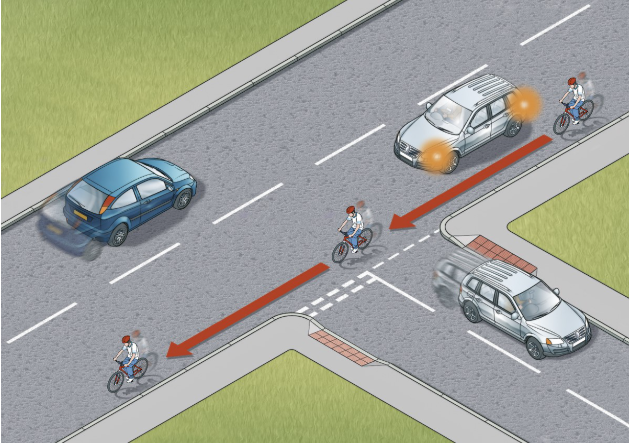
Turn across in front of the cyclists.
Wait for the cyclists to pass before turning.
Sound your horn and turn because your indicators are on.
Rule H3: You must not cut across cyclists when turning. Always wait until they have passed safely.
What does a double yellow line signify?
Loading is permitted at all times.
No waiting at any time.
Parking is permitted with a Blue Badge.
Waiting allowed during certain hours.
Double yellow lines indicate that waiting is not allowed at any time. This restriction is in place to maintain traffic flow and ensure safety. 🚫🚗
What does the road sign indicate?
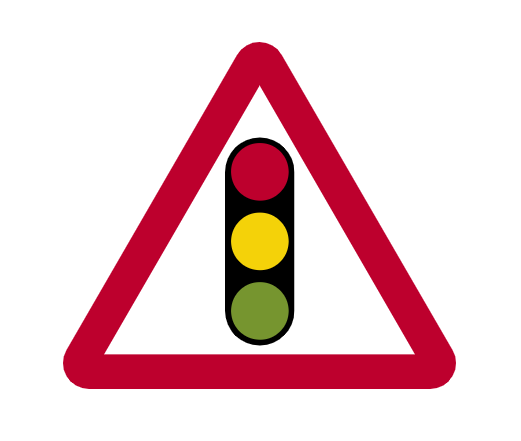
Stop sign ahead.
Traffic signals ahead.
Yield sign ahead.
The road sign with a red triangle containing a traffic light symbol warns that there are traffic signals ahead. Drivers should slow down and be prepared to stop if the lights change. 🚦
Considering safety, when is it acceptable to proceed on AMBER?
If the stop line is not visible.
When crossed the stop line.
When no pedestrians are present.
When turning left or right.
AMBER means ‘Stop’ at the stop line. You may go on only if the AMBER appears after you have crossed the stop line or are so close to it that to pull up might cause an accident.
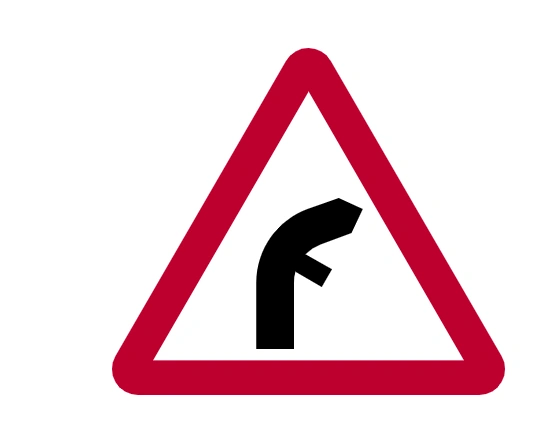
What does this sign mean?
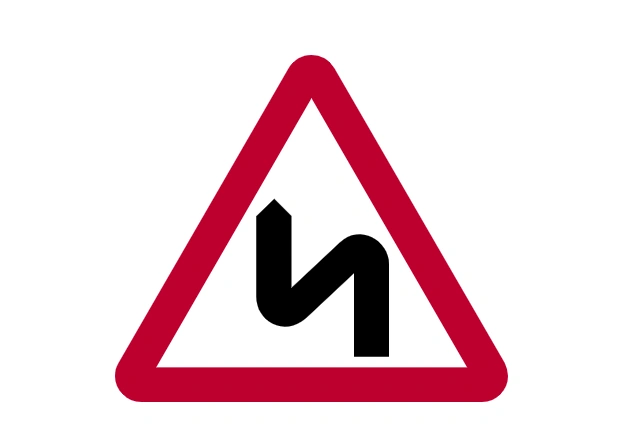
Double bend first to the left.
Junction on a bend.
Winding road ahead.
This sign warns drivers of two consecutive bends ahead, with the first one curving to the left, requiring careful maneuvering.
You’re on a motorway in a red ‘X’ lane. What must you do?
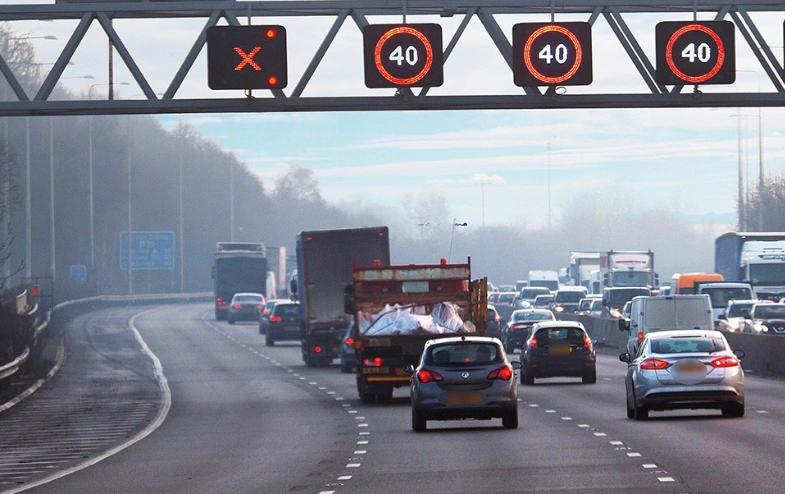
Switch on your hazard warning lights and drive slowly.
Move to another lane immediately.
Continue driving until the next exit.
A red ‘X’ means the lane is closed—you must leave it immediately, even if it’s empty; Highway Code Rule 258 says driving in a red ‘X’ lane is illegal and unsafe.
What does the sign indicate?
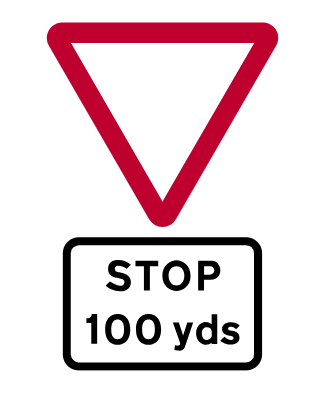
Stop at the next sign.
Speed limit ahead.
Stop ahead in 100 yards.
Yield ahead in 100 yards.
The sign indicates that there is a stop sign ahead and it is 100 yards away. These warning signs are placed in advance to give drivers time to prepare to stop.
What does this sign indicate?
Off-side edge near obstruction.
Near-side edge or obstruction.
Lane edge near divided road.
This sign marks the near-side edge of the road or an obstruction close to it, helping drivers navigate safely, especially in poor visibility.
What does this sign mean?
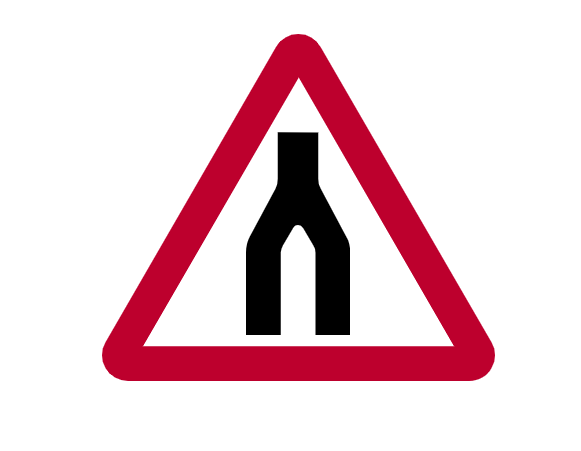
End of dual carriageway ahead.
Road narrows on both sides ahead.
Two-way traffic ahead.
This triangular warning sign shows two black lines converging into one. It warns drivers that the dual carriageway is about to end, and the road will become a single carriageway.
Which sign shows vehicles may pass either side to reach the same destination?
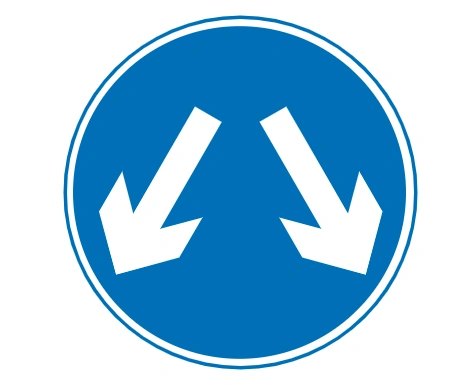
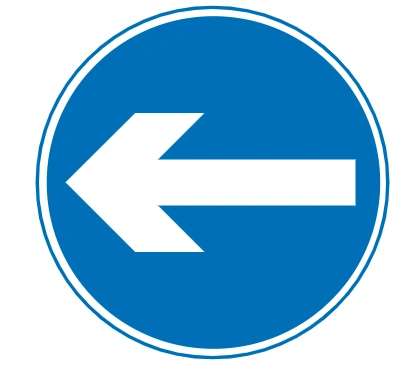
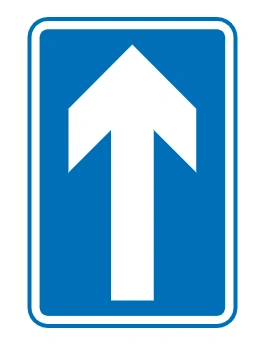
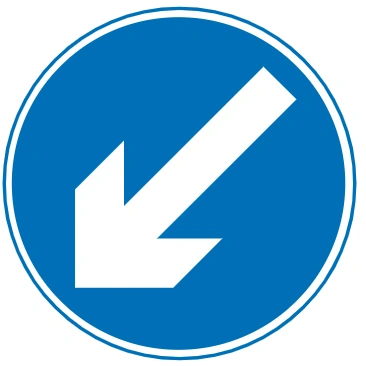
The sign indicating 'Vehicles may pass either side to reach the same destination' allows drivers flexibility in their route choices, enhancing traffic flow and reducing congestion at intersections.
Which lane should you normally keep to on a motorway?
Any lane.
The right lane.
The middle lane.
The left lane.
The left lane is for normal driving. You should only use the other lanes for overtaking. Once you have overtaken, you should move back to the left lane when it is safe to do so.
What does this sign indicate?
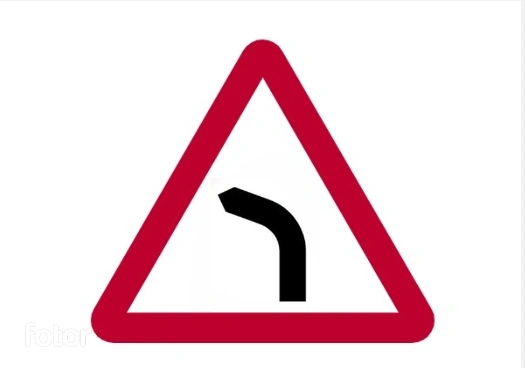
Bend to left turn.
Sharp left turn.
No left turn allowed.
This sign warns drivers of a gradual curve to the left, allowing them to adjust speed and stay aware of road conditions.
How long should you cool a burn with clean, cool water?
About 5 minutes.
Around 10 minutes.
At least 20 minutes.
Until pain subsides.
Cooling a burn with clean, cool water for at least 20 minutes helps to reduce skin temperature, minimizing tissue damage. This also provides pain relief.
What does a broken white line on the road mark?
A cycle lane.
A bus lane.
The edge of the road.
The centre of the road.
A broken white line on the road marks the center of the road. These lines indicate that drivers can change lanes if it is safe to do so.
What is the FIRST action if your vehicle catches fire?
Call breakdown service.
Extinguish the engine fire.
Get occupants to safety.
Retrieve vehicle documents.
The priority in a vehicle fire is ensuring the safety of all occupants. Get everyone away from the vehicle to a safe distance before attempting to deal with the fire.🔥
What does this road sign indicate?
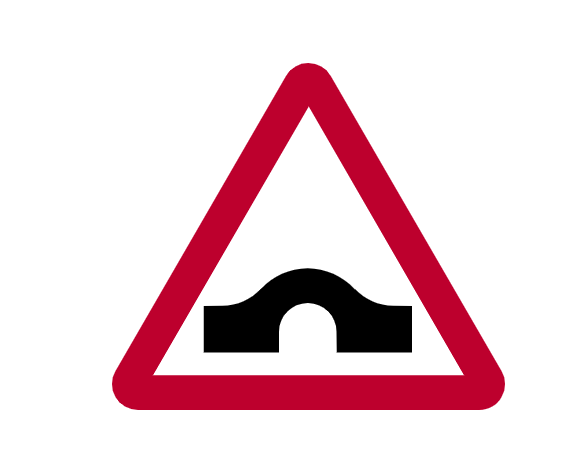
Hump bridge ahead.
Road narrows ahead.
Steep hill ahead.
Uneven road ahead.
This warning sign indicates a hump-backed bridge ahead. Drivers should slow down, as visibility may be restricted on the bridge and the road surface may rise sharply. Adjusting speed ensures you can cross safely and avoid losing control. 🌉🚗
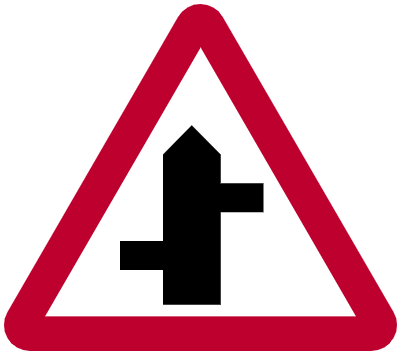
Which sign warns of a side road joining the main road?
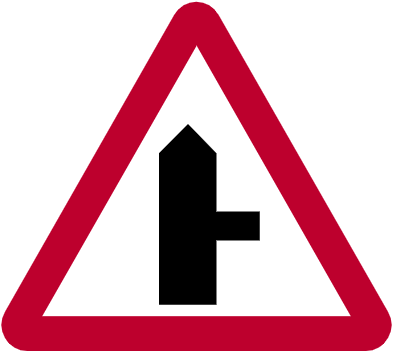
The Side Road sign indicates that there is a side road merging from the left or right. This sign is important for alerting drivers to be cautious of vehicles entering the main road from either direction.
Which sign warns that the road ahead ends and you must turn left or right?
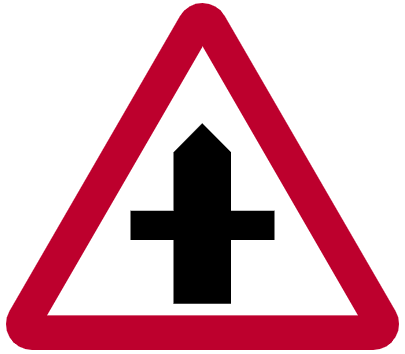
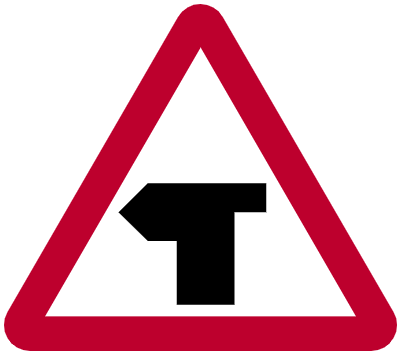
The T-Junction sign indicates that the road ahead comes to an end, and drivers must turn either left or right. This sign is important because it alerts drivers to prepare for a change in direction, ensuring safe navigation at the junction.
What is the BEST practice in congested conditions?
Always merge in turn promptly.
Avoid unnecessary lane changes.
Change lanes frequently.
Merge at high speed unsafely.
In congested conditions, avoiding unnecessary lane changes is the best practice. Frequent lane changes can disrupt the flow of traffic and increase the risk of accidents.🚗
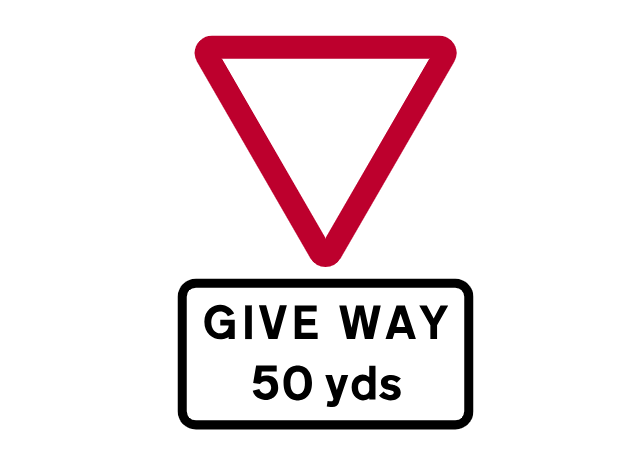
When approaching the sign below, which action is MOST important?
Increase speed to merge quickly.
Maintain current speed and proceed.
Prepare to give priority to traffic on the main road.
Stop immediately regardless of traffic.
The Give Way sign means you must slow down and be ready to stop if necessary, giving priority to traffic already on the main road. You don’t have to stop if the way is clear, but you must not force your way onto the main road. 🚗
When your vehicle breaks down, what should you FIRST consider?
Consider other road users.
Place a warning triangle.
Turn on hazard lights.
Wear reflective clothing.
The priority when your vehicle breaks down is to assess the situation and ensure your breakdown doesn't pose a threat to other road users.
Excellent
Thank you.