Revision Module: 06 of 14
Full Free Driving Theory Practice Test 6
Test your general readiness on standard UK road rules and essential traffic signs.
Syllabus Covered
The Highway Code & Traffic Signs
Question Pool
25 Multiple-Choice Questions
Target Pass Mark
Aim for 86% or higher
📝 Test Instructions: Pay attention to the details in the phrasing. Checking your answers as you go will lock in your understanding.
Start Theory Test 6
Real Exam Mode: Q&A with Explanations
What does this sign signify?
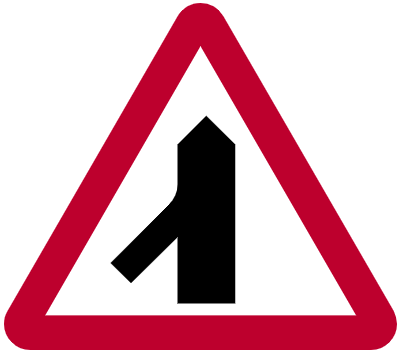
Traffic merges from the left.
Prohibited merging area.
Left lane ends ahead.
This sign warns that vehicles will join from the left, so drivers must be alert and adjust speed for safe merging.
When must you use headlights at night?
Always after 9pm.
Only if raining.
When parked.
Between sunset and sunrise.
Headlights must be used at night between sunset and sunrise to ensure visibility. This helps others see you as well. Highway Code Rule 113: Use lights during darkness
What does this road sign represent?
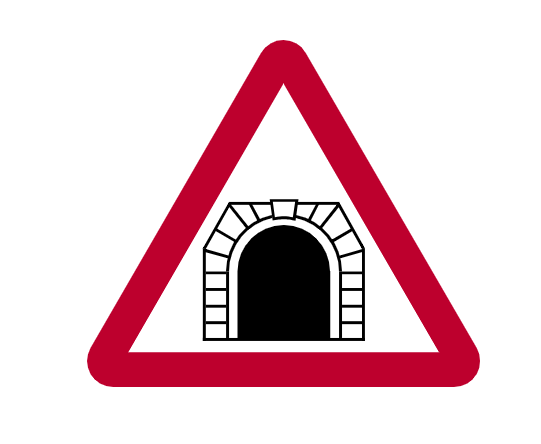
Tunnel ahead.
Hump bridge ahead.
Railway bridge ahead.
This sign warns of a tunnel ahead, so drivers must prepare for lower visibility and adjust speed when entering the tunnel.
Which sign means the end of a minimum speed limit?
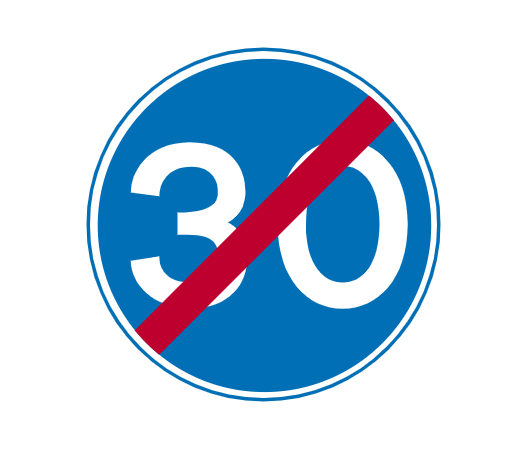
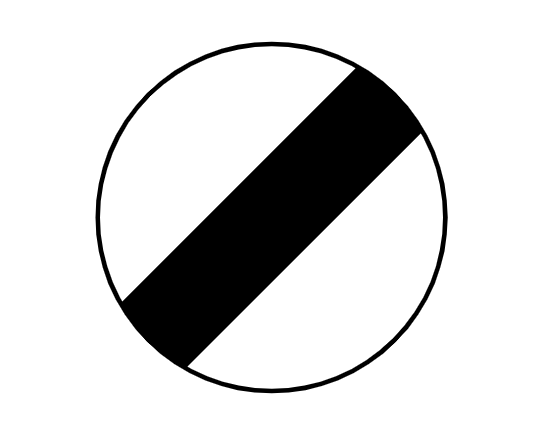
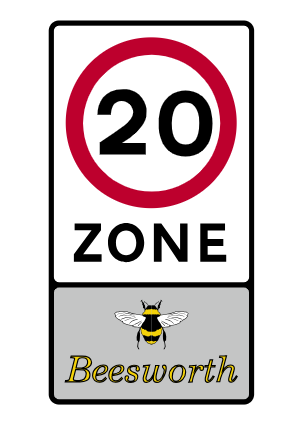
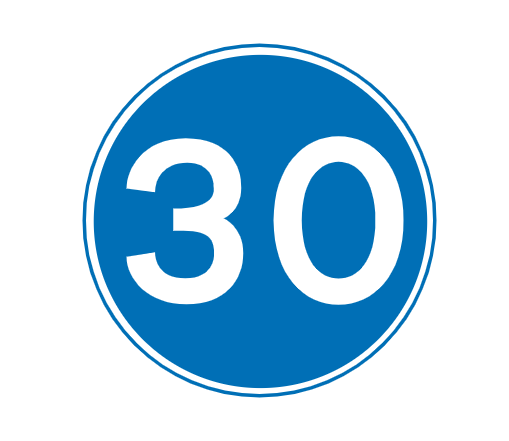
This blue circular sign with a red diagonal line indicates the end of a minimum speed requirement—drivers are no longer legally required to maintain a set minimum speed.
When is it illegal to use a horn?
In tunnels.
While reversing.
When parked.
Between 11.30pm and 7am in built-up areas.
It's illegal to use your horn in built-up areas between 11.30pm and 7am unless danger is present. This avoids noise pollution during night hours. Highway Code Rule 112: Do not use horn unnecessarily at night.
What should you do at a chicane with oncoming traffic?
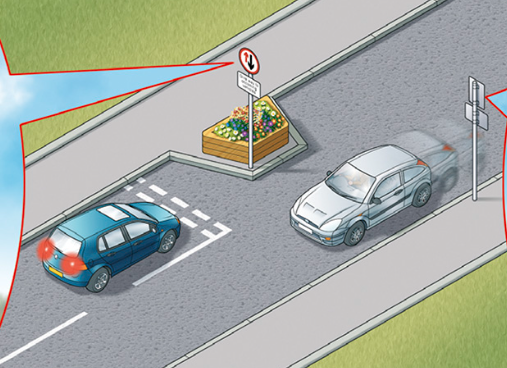
Try to pass first.
Wait if there's no room.
Sound your horn and proceed with caution.
If space is restricted at a chicane and another vehicle is approaching, you should wait and let them pass if necessary. Highway Code Rule 153: Traffic-calming features like chicanes may require waiting for oncoming traffic.
What does this sign indicate?
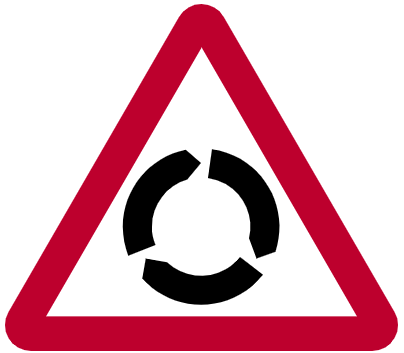
Mini-roundabout.
No through road.
Roundabout.
This sign warns of a roundabout ahead, meaning drivers must slow down and give way to traffic from the right when approaching the circular junction.
What must you not do when queuing near a side road?
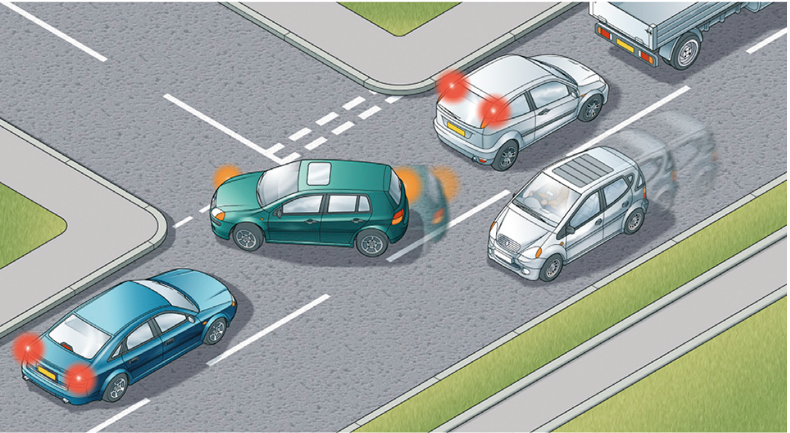
Stop on the junction.
Creep forward unnecessarily.
Block the side road.
Do not block side road entrances while queuing in traffic, as this prevents other vehicles from entering or leaving. Highway Code Rule 151: Do not block access to a side road; leave space to allow traffic flow.
What should you do before overtaking a cyclist?
Flash lights.
Use horn.
Give plenty of space.
Drive closely.
Leave at least 1.5 metres when overtaking cyclists to ensure their safety. They may wobble or swerve unexpectedly. Highway Code Rule 163: Give cyclists at least 1.5 metres of clearance.
What does this sign signify?
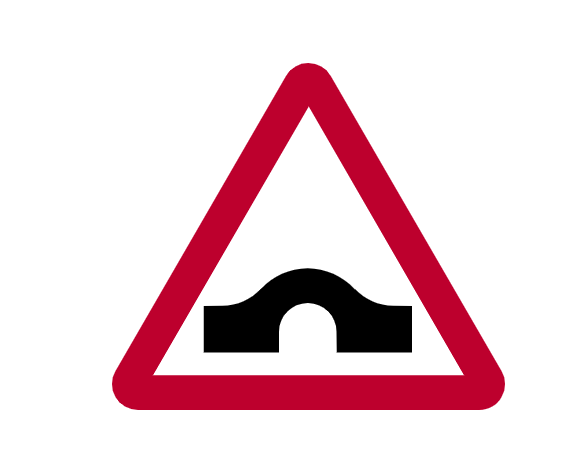
Tunnel ahead.
Hump bridge ahead.
Swing bridge ahead.
This sign warns of a hump-backed bridge where the road rises sharply, requiring reduced speed and caution due to limited visibility or narrow space.
What do triangular traffic signs indicate?
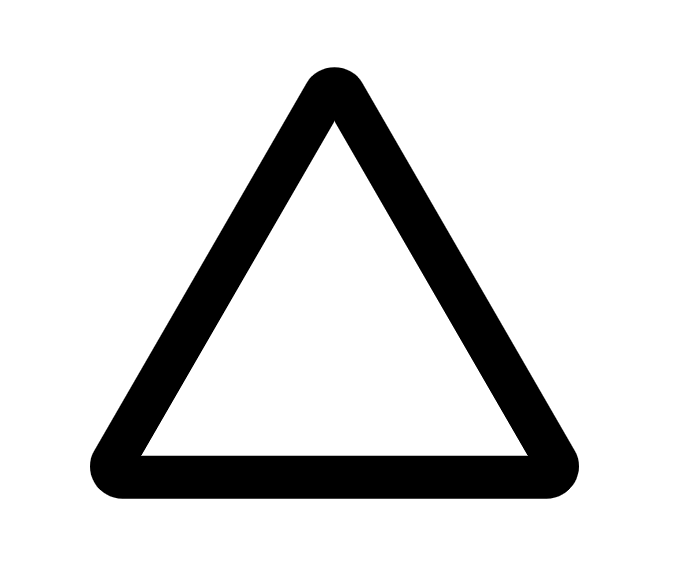
Information.
Orders.
Warnings.
Triangular traffic signs warn drivers of hazards ahead like bends or junctions, helping safe driving.
Which sign represents one-way traffic?
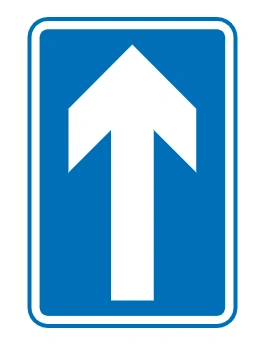
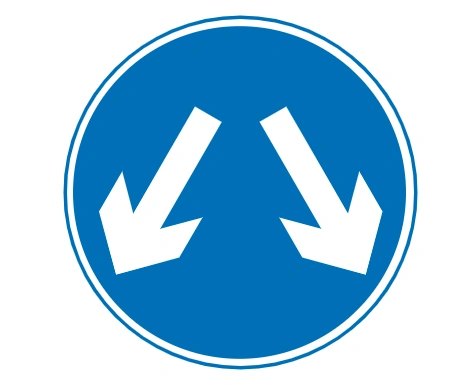
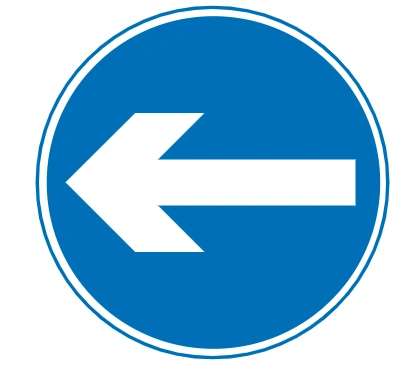
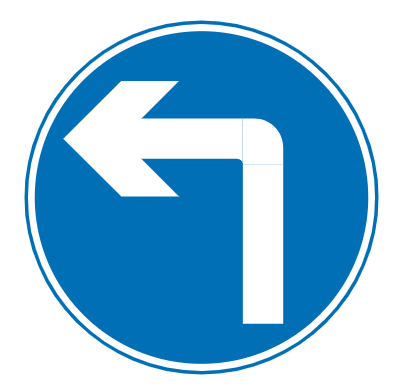
One-way traffic signs are blue and rectangular, guiding drivers that all vehicles must travel in the same direction.
When should rear fog lights be used?
Always at night.
During rain.
When visibility is below 100 metres.
On narrow roads.
Rear fog lights improve your vehicle's visibility in thick fog. They should be turned off when visibility improves to avoid dazzling others. Highway Code Rule 236: Use fog lights in serious visibility reduction.
When must a child use a suitable child restraint?
Always until age 12 or 135cm.
Only under 3 years.
Only in front seats.
Only if no adult present.
Children must use a suitable child seat until they are 12 years old or 135 cm tall, whichever comes first. Safety restraints reduce injury risk in crashes. Highway Code Rule 100: Proper restraints must be used for children.
What should you do when approaching a zebra crossing?
Speed up.
Sound horn.
Slow down and prepare to stop.
Overtake slowly.
Always be ready to stop for pedestrians waiting to cross or already crossing at a zebra crossing. This protects vulnerable road users. Highway Code Rule 195: Give way to pedestrians.
After overtaking a long vehicle, what must you avoid doing?
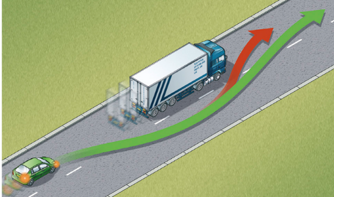
Overtaking another vehicle immediately.
Cutting in too quickly.
Speeding up after passing.
After overtaking, cutting in too early can block the large vehicle’s view and create danger. Always leave enough space before moving back in. Highway Code Rule 164: Do not cut in too quickly after overtaking a large vehicle.
What does this sign mean?
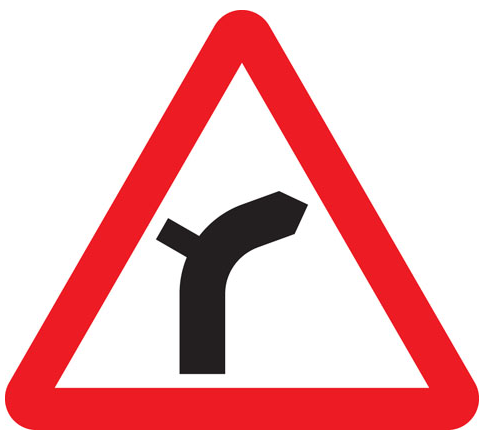
Junction on a bend.
T-junction.
Junction on a hill.
This sign warns that a side road joins on a bend, so drivers must slow down and watch for hidden traffic.
What does a solid white line at the side of the road mean?
Cycle lane.
Parking area.
Slow lane.
Edge of carriageway.
A solid white edge line marks the boundary of the carriageway and should not be crossed unnecessarily. It helps maintain safe road positioning. Highway Code Rule 131: Edge lines define the boundary of the road.
When can you use a mobile phone while driving?
To make a call without hands-free.
When stopped at traffic lights.
Using hands-free or voice commands.
To send a text while driving slowly.
You must not hold or use a mobile phone while driving. The only exception is using hands-free equipment or voice commands. Using a phone in your hand, even when stationary or driving slowly, is illegal. Highway Code Rule 149: Mobile phone use.
What does this sign indicate?
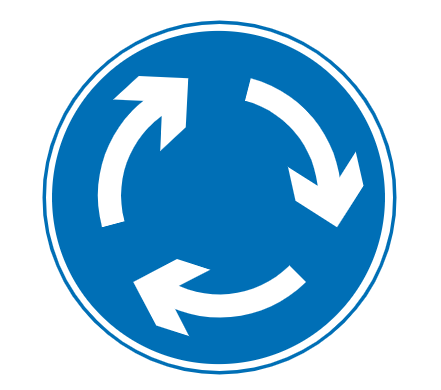
Mini-roundabout ahead.
Roundabout ahead.
Circular one-way.
This sign shows a mini-roundabout ahead, requiring drivers to give way to the right and navigate around a painted circle. It is not the same as a standard roundabout.
What does a broken white line in the middle of the road mean?
No entry.
Overtaking not allowed.
Hard shoulder.
Centre of the road.
A broken white line indicates the centre of the road and allows overtaking if the road ahead is clear. It guides lane positioning. Highway Code Rule 127: Broken white lines indicate road centre.
What does this traffic sign mean?
End of minimum speed.
Start of minimum speed.
Speed limit 30.
This sign marks the end of a previously enforced minimum speed. The diagonal red line across the blue circle signals cancellation, not the start, which makes 'Start of minimum speed' incorrect.
What does this road sign represent?
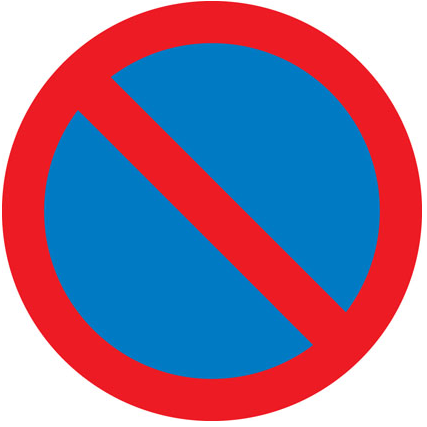
No stopping.
No parking.
No waiting.
This sign means vehicles must not wait at any time unless permitted by additional plates. It doesn’t prohibit stopping briefly or setting down passengers.
When should you use dipped headlights during the day?
On motorways.
When parked.
During long trips.
When visibility is poor.
Dipped headlights help other drivers see you in poor daylight visibility, such as fog or heavy rain. It ensures you remain visible and reduce accident risks. Highway Code Rule 226: Use dipped headlights in poor daytime visibility.
What does this sign indicate?
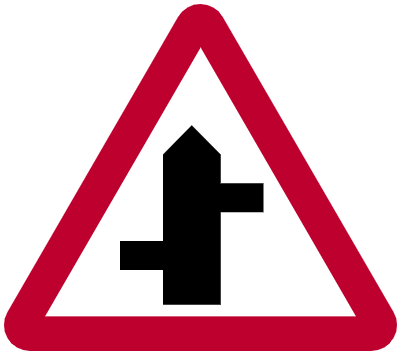
Pedestrian junction.
Box junction.
Staggered junction.
This sign shows two side roads join the main road at separate points, so drivers must stay alert for crossing traffic.
The answer to Question 8 is wrong
Question: When can you use a mobile phone while driving?
Your answer: To send a text while driving slowly.
Thank you for pointing it out! You’re absolutely right. It was a technical error and has now been fixed. 😊
Thank you so much .