Highway Code: Motorway Protocol Challenge 2
Free Motorway Signs & Markings Practice Test 2: UK Traffic Signs Theory Test
Interactive Revision Tool & Highway Regulations Checkup
🛣️
Primary Target
Understand lane compliance & high-speed routes
📋
Quiz Structure
Multiple-Choice Evaluation (3-4 options)
💡
Live Feedback
Immediate grading with contextual feedback
💡 Essential Knowledge:
Recognizing motorway signage and painted indicators is vital for securing a pass on your DVSA theory assessment. These visual cues instruct drivers on path selections, speed updates, and forthcoming junctions. Surface lines ensure orderly positions on the carriage. Typically, these signals feature bright blue backdrops accompanied by clear white lettering. Examples include:
🛣️ Start of motorway regulations
↗️ Lane allocations / merging paths
⬅️ Slip road exit with junction number
📏 Countdown mileage posts
- Evaluate your comprehension of motorway visual structures and lane indicators.
- Select the single best response from the list of provided options.
- Correct choices turn green straight away, while incorrect selections light up red.
- Detailed explanations accompany missed items to solidify your understanding of the Highway Code.
If you see amber flashing lights on a side-mounted motorway sign, you must:

Continue at 70 mph.
Stop immediately.
Maintain normal motorway speed.
Hazard ahead—do not exceed 30 mph.
Flashing amber lights warn of a hazard ahead; drivers must not exceed 30 mph until past it.
What information does this blue motorway sign provide?
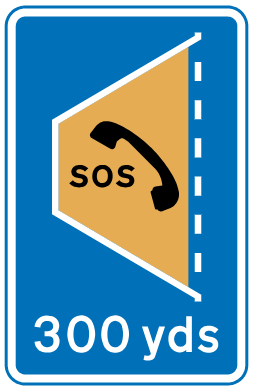
Location of rest area.
Distance to next junction.
Distance to next emergency area.
Lay-by ahead.
It indicates how far ahead the next emergency stopping point is.
What action must drivers take when this sign appears?
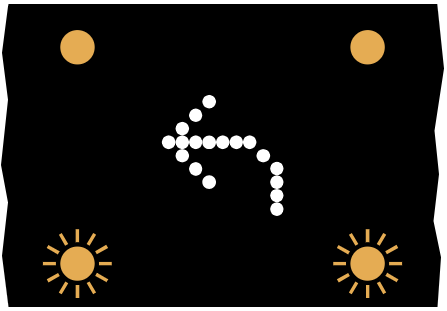
Stay on the motorway.
Exit the motorway at the next junction.
Motorway speed restriction ending.
Prepare for a sharp bend.
This sign tells drivers that they must leave the motorway at the upcoming exit. It is usually shown on overhead motorway signals to manage traffic during incidents, closures, or diversions.
What does this sign represent?
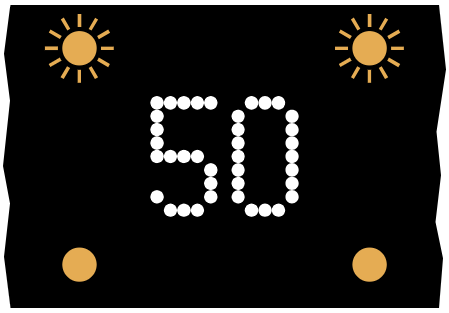
Permanent speed limit.
Minimum speed limit.
Temporary maximum speed advised.
End of speed restriction.
This sign indicates a temporary maximum speed recommended due to current traffic, weather, or road conditions. Drivers should adjust their speed accordingly, even if it differs from the permanent speed limit.
What is indicated by red lights flashing side to side in pairs above a lane?
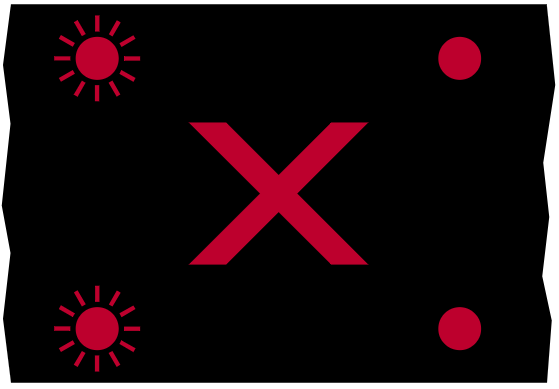
Lane is closed – do not proceed in it.
Lane is open for traffic.
Lane for emergency vehicles only.
Lane merges into slip road.
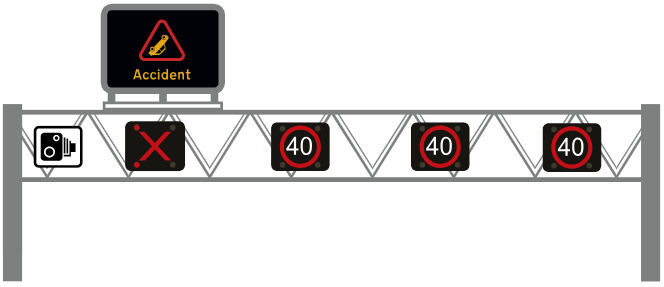
Flashing red lights with a red cross warn that the lane below is closed. Drivers must change lanes safely.
What must drivers do when a lane shows a red ‘X’?
Increase speed to pass quickly.
Turn on hazard lights.
Change to an open lane when safe.
Use the hard shoulder.
Red flashing lights and a red ‘X’ mean the lane is closed. Drivers must move to an open lane and must not use the closed lane. The lane reopens when the sign shows a speed limit or the word ‘END’.
If there is no hard shoulder and you need to stop in an emergency, what should you do?
Stop immediately in your lane.
Exit at the next junction.
Use the emergency area if possible.
Continue driving slowly.
Emergency areas provide a safer alternative to stopping in live traffic.
What does this sign indicate?
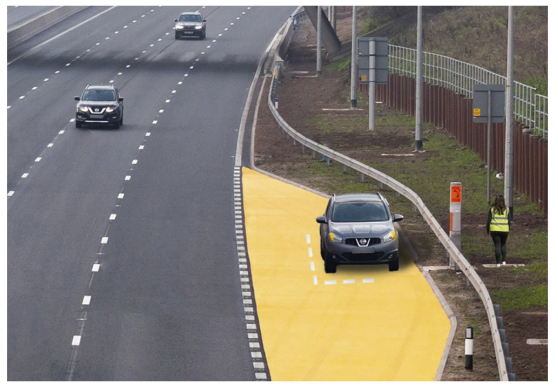
Emergency area.
Rest area.
Breakdown bay.
Parking zone.
The sign marks a designated emergency stopping area on the motorway.
After stopping at an emergency area, the safest place is:
On the hard shoulder next to your vehicle.
Away from the vehicle and traffic flow.
In the nearest lane.
Behind a traffic cone.
Emergency areas are safe only if you stay clear of moving traffic.
What does this motorway signal mean?
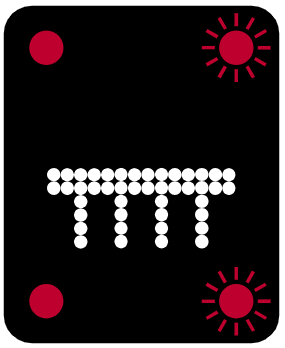
Lanes merging ahead.
Speed limit in force.
Continue with caution.
All lanes are closed.
Flashing red lights in pairs show that all lanes ahead are closed and you must not enter the motorway.
What does this sign indicate following an incident?
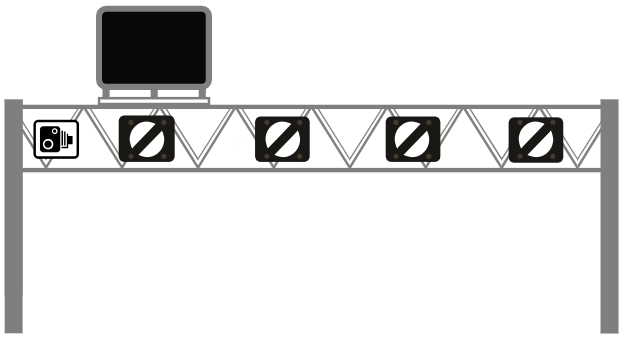
Temporary speed limit continues.
National speed limit now applies.
Road ahead is closed.
No speed limit is in effect.
This sign shows that any temporary speed restrictions put in place for an incident have ended, and the national speed limit for that type of road now applies.
What does this symbol mean for drivers?
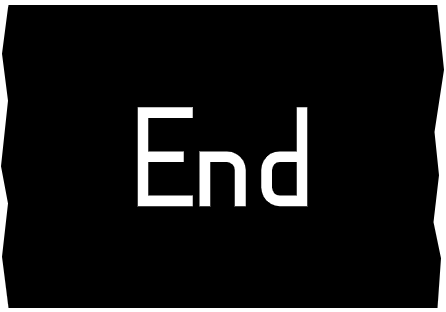
End of temporary restrictions.
Road ahead is closed.
End of motorway.
Lane closure continues.
This sign informs drivers that all temporary measures — such as temporary speed limits, lane changes, road works controls, or other short-term restrictions — have come to an end. From this point onward, normal road rules and permanent signs apply again.
What does the diagonal arrow above your lane mean?
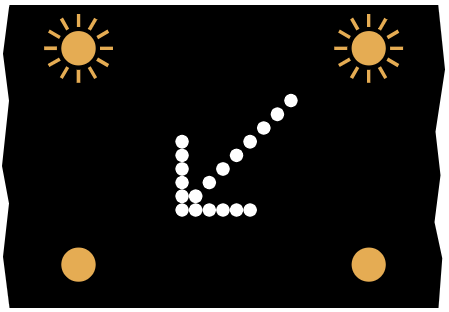
Motorway exit is approaching.
Road narrows ahead.
Merge into the adjacent open lane.
Hard shoulder available for use.
This signal tells drivers to change to the adjacent lane because the current lane is no longer safe or is about to close. It is commonly shown on motorway gantries during incidents, roadworks, or lane restrictions.