Revision Module: 11 of 13
Full Free Driving Theory Practice Test 11
Sharpen your skills with a broad overview of UK driving rules and official highway signage.
Syllabus Covered
The Highway Code & Traffic Signs
Question Pool
25 Multiple-Choice Questions
Target Pass Mark
Aim for 86% or higher
📝 Test Instructions: You are almost through the full series! Push through this set to keep refining your exam technique.
Start Theory Test 11
Real Exam Mode: Q&A with Explanations
What is the rule when emerging from a junction onto a major road?
Pull out quickly and match the traffic flow with caution.
Go slowly and match the traffic flow with caution.
Give way to traffic already on the main road.
When emerging from a junction onto a major road, you must always give way to traffic already on the main road. Vehicles on the main road have priority, and pulling out without ensuring it's safe can cause a serious accident. Wait for a clear and safe gap in traffic before moving out.
What does this sign indicate?
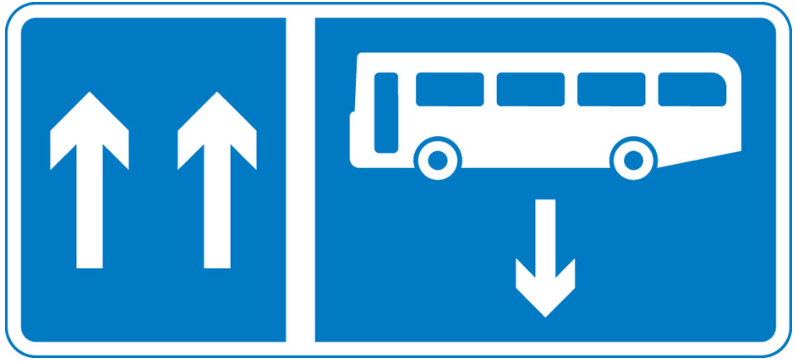
Buses must turn left ahead only.
Buses can use this lane to travel against oncoming traffic.
Bus lane with normal traffic flowing in the same direction.
This sign shows a contra-flow bus lane, where buses travel in the opposite direction to the rest of the traffic. It's designed to give buses priority and improve public transport flow in congested areas.
What does this warning sign indicate?
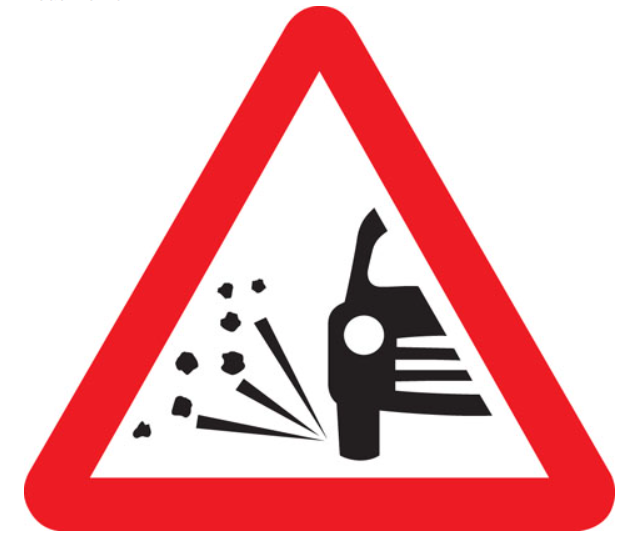
Loose gravel that could damage your vehicle or cause skidding.
Narrow tyres required for temporary road surface.
Risk of flying debris due to chippings on the road.
This warning sign alerts drivers to loose chippings on the road, which can cause flying debris that may damage vehicles or pose a danger to others. Drivers should slow down and keep a safe distance.
What do zig-zag white lines at pedestrian crossings mean?
You must not stop or park in this area.
You may stop briefly to let passengers out.
You must slow down but can overtake.
Zig-zag white lines on both sides of a pedestrian crossing indicate a controlled area where stopping or parking is strictly prohibited. This ensures that pedestrians have a clear view of approaching traffic and that drivers can see people waiting to cross. You must not park, stop, or overtake in this zone, even temporarily, as it could endanger pedestrians and obstruct visibility.
What is the correct action to take if your tyre bursts suddenly while driving?
Grip the steering wheel firmly and reduce speed gradually without harsh braking.
Press the brakes gently and turn the wheel quickly to stay in lane.
Accelerate to maintain better control of the vehicle.
If your tyre bursts suddenly while driving, the correct action is to grip the steering wheel firmly and reduce speed gradually without harsh braking. This helps you maintain control of the vehicle and avoid skidding or swerving. Sudden braking or sharp steering could worsen the situation, so it's important to slow down smoothly and steer steadily until you can pull over safely.
What checks should you carry out before driving in heavy rain conditions?
Adjust tyre pressure to improve traction during rainy conditions.
Check that your lights, wipers, and tyres are working properly.
Use hazard lights continuously while driving in heavy rain.
Before driving in heavy rain, it’s important to check that your lights, wipers, and tyres are all working properly. These checks help ensure you can see clearly and maintain control of your vehicle in poor weather conditions. Good visibility and proper tyre grip are essential for safe driving on wet roads. Adjusting tyre pressure is not recommended, and using hazard lights while driving is not appropriate unless your vehicle is causing an obstruction.
What should you do when passing a stationary bus at a bus stop?
Only overtake if there are no visible passengers.
Briefly sound your horn to alert pedestrians before passing.
Slow down and be prepared for pedestrians crossing.
When a bus is stopped at a bus stop, especially one carrying school children or in a residential area, pedestrians may suddenly step out from in front of or behind the bus. It is essential to reduce your speed and be ready to stop if needed. Never sound your horn unnecessarily, as it may startle passengers or pedestrians. Safety and anticipation are key when navigating around stationary buses.
What should you do if you park on a road at night where the speed limit is more than 30 mph?
Leave your headlights on full beam.
Park close to the kerb and switch on your lights.
Leave your parking lights on.
When parking at night on a road with a speed limit over 30 mph, you must leave your parking lights (also known as sidelights) on to ensure your vehicle is visible to other road users. This is a legal requirement in the UK and helps reduce the risk of accidents in low-light conditions. Parking with full beam headlights is dangerous and inconsiderate, and just switching on the lights without parking lights would not comply with the law.
What should you do when approaching a horse being ridden on the road?
Sound your horn.
Pass slowly and leave plenty of space.
Leave plenty of space but pass quickly.
Horses can be easily startled by loud noises or fast-moving vehicles. When approaching a horse on the road, always reduce your speed, keep a safe distance, and pass slowly and carefully. Avoid using your horn or revving the engine. The Highway Code advises drivers to be particularly cautious around animals to ensure the safety of both the rider and the horse.
What is indicated by double yellow lines painted along the edge of the carriageway?
Waiting is not allowed at any time, though stopping briefly may be allowed.
Parking is not allowed overnight but is allowed during the day.
Parking and waiting are allowed at any time.
Double yellow lines along the edge of the road mean that waiting is prohibited at all times, although you may stop briefly to drop off or pick up passengers, unless signs indicate otherwise. These restrictions apply to both sides of the road (where marked) and are usually enforced 24 hours a day, even on weekends and public holidays.
When are you legally allowed to enter a yellow box junction?
Only if your exit road is clear or you’re waiting to turn right.
At any time if you’re turning left.
When other vehicles have already entered before you.
Yellow box junctions are designed to keep traffic flowing and prevent gridlock. You may only enter a yellow box junction if your exit is clear, meaning you won’t get stuck in the box. The only exception is if you’re waiting to turn right and are prevented from doing so by oncoming traffic or other vehicles.
Why is it dangerous to park your vehicle facing oncoming traffic at night?
Your headlights could dazzle approaching drivers and cause confusion.
Your brake lights might remain on and distract other drivers.
Your vehicle’s reflectors to be less visible to other road users.
Parking facing oncoming traffic at night is dangerous because when the vehicle's lights are on or reflectors catch the light, they may dazzle or confuse approaching drivers who mistake it for a moving vehicle. Additionally, the red rear reflectors are designed to face traffic; if you park the wrong way, your vehicle becomes less visible to drivers at night. This is why it's both dangerous and illegal in some cases to park against the traffic flow in unlit areas.
When reversing into a side road, what’s the correct way to position your vehicle?
Keep close to the kerb and reverse slowly.
Stay well away from the kerb and reverse slowly.
Use the pavement to complete the turn quickly.
When reversing into a side road, you should keep close to the kerb and reverse slowly to maintain control and improve visibility of your surroundings. This positioning reduces the risk of obstructing traffic or endangering pedestrians. Never drive on the pavement while reversing, as it's illegal and unsafe.
What does this road sign indicate?
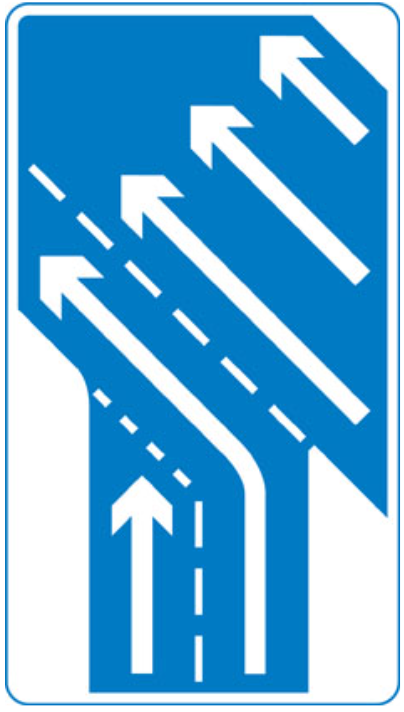
Vehicles on the left lane have priority over those on the right.
Right-hand lane traffic on the slip road has priority over the left.
Traffic must merge alternately from both lanes.
This sign is used at merge points, particularly where a slip road joins a main carriageway. It shows that traffic in the right-hand lane has priority, so vehicles in the left lane must give way.
What is the main purpose of cones and barriers placed at roadworks?
To guide emergency vehicles through traffic.
To separate traffic from the work zone.
To restrict overtaking near the work area.
Cones and barriers at roadworks are primarily used to protect both road users and workers by clearly separating moving traffic from the work area. This ensures safe passage for vehicles while creating a secure environment for road workers. While they may also affect overtaking and traffic flow, their main role is safety and separation.
After stopping on the hard shoulder in an emergency, where is the safest place to wait?
Hazard lights on and seated inside the vehicle.
Switch on lights and stand on the grass verge.
Wait behind the barrier, away from passing traffic.
If you stop on the hard shoulder in an emergency, the safest place to wait is behind the safety barrier, well away from your vehicle and oncoming traffic. This reduces your risk of being injured if another vehicle veers onto the hard shoulder. Never stay inside your vehicle, as it's highly dangerous, especially on motorways where traffic moves at high speeds. Turn on your hazard lights to alert others, and use the emergency phone if needed.
You see children close to the edge of the road. How should you respond as a driver?
Drive at normal speed but remain alert.
Expect them to step into the road and continue driving.
Slow down and be prepared to stop.
Children near the road can be unpredictable and may step into the road without warning. To ensure everyone's safety, you should slow down and be ready to stop. This cautious approach helps prevent accidents and shows responsible driving, especially in areas like school zones or residential streets.
Is driving on the footway or pavement allowed?
Yes, in an emergency.
No, it is not allowed.
Yes, if no pedestrians are present.
It is illegal for a regular driver to drive on a footway or pavement, regardless of whether pedestrians are present or not. Pavements are strictly for pedestrian use, and driving on them poses a serious risk to safety. The Highway Code clearly prohibits this behaviour except in specific cases like emergency vehicles or official roadworks access.
What does this temporary road sign mean during road works?
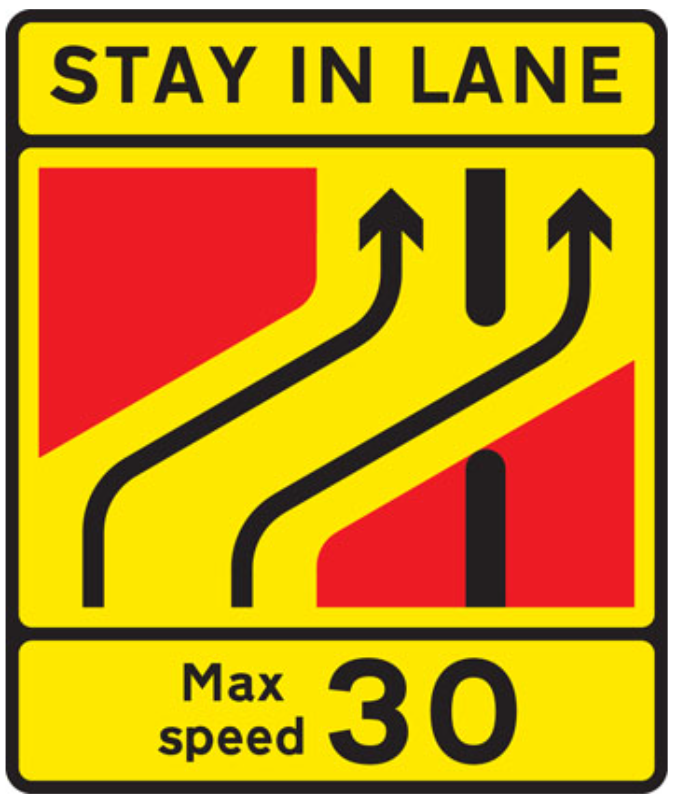
Traffic merges ahead with 30 mph restriction.
One-lane contraflow system in place with 30 mph limit.
Two-lane contraflow system in place with 30 mph limit.
This sign indicates a temporary one-lane contraflow system, where traffic flows in opposite directions within the same lane, often guided by cones or barriers. A 30 mph speed limit ensures safety through the roadworks zone.
What does this road sign indicate?
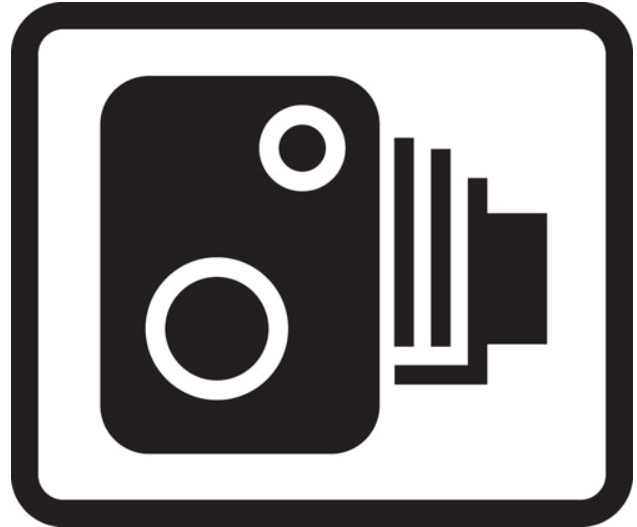
Cameras ahead for measuring vehicle height clearance.
Cameras ahead for traffic congestion updates only.
Cameras used to enforce traffic regulations in the area.
This sign warns drivers that traffic enforcement cameras are in use. These cameras may monitor speed limits, traffic light compliance, or restricted zones, and can result in penalties if rules are broken.
What should you do if your vehicle becomes stuck on a level crossing?
Try to restart the engine and reverse off the crossing.
Immediately exit the vehicle and use the emergency phone provided nearby.
Push the vehicle off the tracks as quickly as possible.
If your vehicle gets stuck on a level crossing, your safety and the safety of others are the top priorities. You should leave the vehicle immediately and use the emergency phone located near the crossing to alert the railway control centre. This alerts them to stop any approaching trains. Do not waste time trying to move the vehicle or pushing it, especially if a train may be coming.
What is the correct action to take if you miss your exit on a motorway?
Stop and carefully reverse to reach the exit.
Make a U-turn by crossing over the central reservation.
Continue driving and leave at the next available exit.
If you miss your exit on a motorway, the correct and safest action is to continue driving and leave at the next available exit. You should never stop, reverse, or attempt a U-turn on the motorway, as these actions are extremely dangerous and illegal. Always stay calm and follow the signs to rejoin your intended route safely.
How should you drive through roadworks with narrowed lanes?
Drive through quickly while being cautious.
Stay in the middle of the lane to avoid barriers.
Slow down and adjust your road position.
In roadworks with narrowed lanes, it’s important to reduce your speed and carefully adjust your position on the road to safely navigate through the area. Driving slowly gives you more control and time to react to changes, while adjusting your position helps you avoid cones, barriers, and workers.
Which of the following statements about this sign is NOT correct?
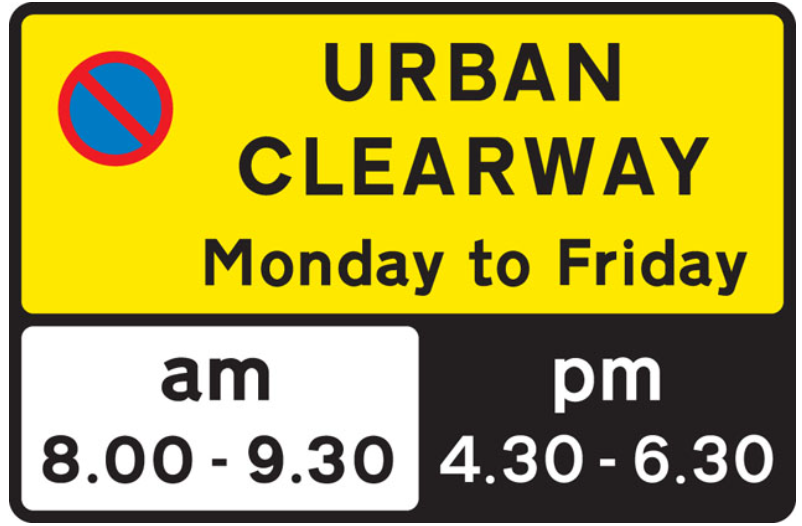
You may stop briefly to drop off or pick up passengers during restricted hours.
You can park your vehicle during restricted hours as long as you stay inside.
You must not stop unless setting down or picking up passengers during restricted times.
This sign typically appears on yellow lines with time restrictions, meaning parking is not allowed during the restricted hours — even if you remain in the vehicle. However, briefly stopping to pick up or drop off passengers is usually permitted.
What should you always do before leaving your vehicle parked and unattended?
Leave the engine running briefly to keep the battery charged.
Turn off the engine, remove the key, and secure the vehicle properly.
Leave the car unlocked if parked in a safe, private area.
Before leaving your vehicle parked and unattended, you should always turn off the engine, remove the key, and secure the vehicle properly. This includes making sure all windows are closed, the doors are locked, and any valuables are out of sight. Taking these steps helps prevent theft, ensures safety, and complies with road safety regulations.