UK Road Signs: Warning Signs Test 1 of 2
Free Road Warning Signs Practice Test 1: UK Traffic Signs Theory Test
Free Practice Test & Recap of All Official UK Road Warning Signs
Core Objective
Identify potential road hazards early
Format Layout
3 to 4 Option Multiple-Choice
Real-Time Review
Instant answers with explanations
💡 What You Must Know:
This topic is a required part of the official theory test. Warning signs indicate potential hazards on the road ahead. They are usually triangular in shape with a bold red border. Examples include:
🔚🛣️ Dual carriageway ends
↔️🚧 Road narrows both sides
➕🛑 Crossroads ahead
🔀🚦 Staggered junction
- You will practice high-probability questions related to warning signs.
- After selecting an option, the correct answer turns green, and incorrect selections show in red.
- If your answer is incorrect, an explanation will help clarify your doubts instantly.
- This structured practice run will boost your confidence before taking the real test.
What does this road sign indicate?
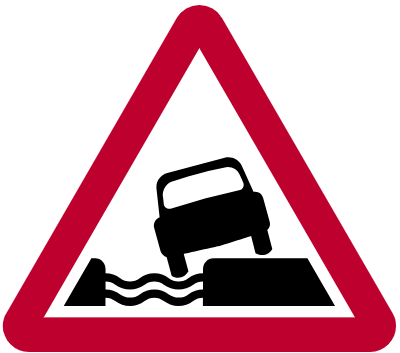
Water course alongside road.
Slippery road ahead.
Uneven road ahead.
This sign indicates that there is a water hazard alongside the road. Drivers should be aware of the potential for slippery conditions and the danger of veering off the road.
If you see this sign, what should you anticipate?
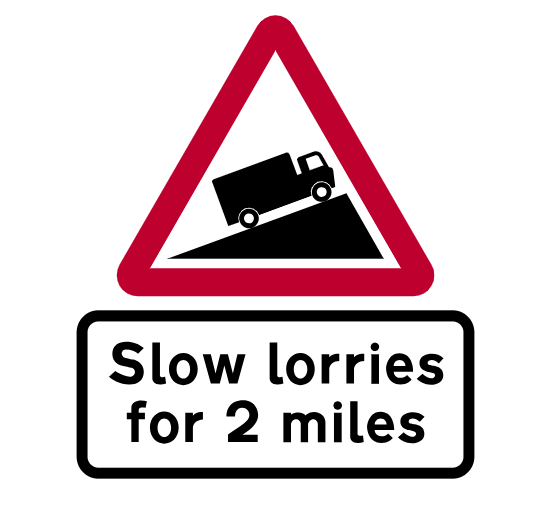
Slow-moving vehicles not allowed.
Slow-moving vehicles ahead.
Slow-moving vehicles rest area ahead.
This sign warns that slow-moving trucks will be on the road for a distance of 2 miles. It's essential to be patient and vigilant in this area.
What does this sign warn drivers about?
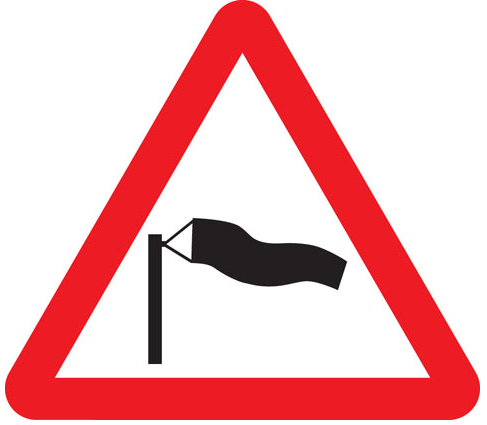
Risk of snowdrifts.
Side winds.
Low visibility conditions.
This sign warns drivers of strong side winds. It's important to be vigilant and maintain control of the vehicle, especially if driving a larger vehicle that could be more affected by wind.
What does this road sign signify?
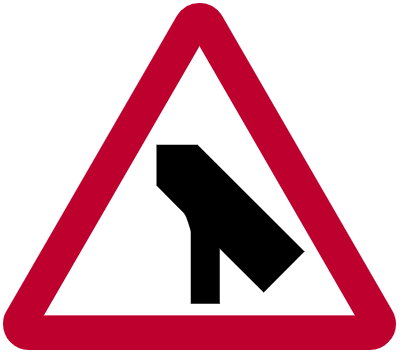
Traffic merges onto main road.
No entry for vehicles.
Pedestrian crossing ahead.
this sign indicates that traffic merges onto the main road.
What does this road sign signify?
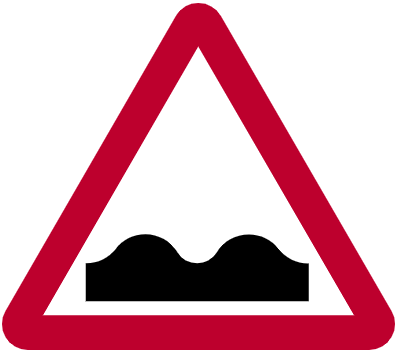
Slippery road ahead.
Two-way traffic on route crossing ahead.
Uneven road ahead.
This sign signifies that there is an uneven road surface ahead. Drivers should proceed with caution as this condition can lead to a bumpy ride or loss of control.
What does this sign indicate?
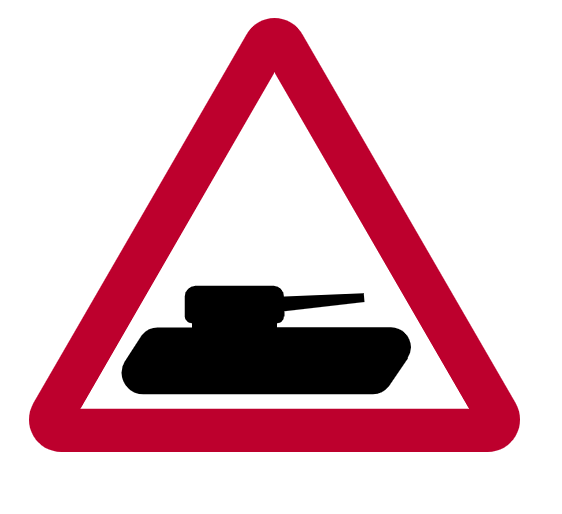
Road is closed for military exercises.
Speed limit changes ahead.
Military vehicles in the area.
This sign indicates that slow-moving military vehicles may be present on or crossing the road. Drivers should be vigilant and prepared to stop if necessary.
What does this sign signify?
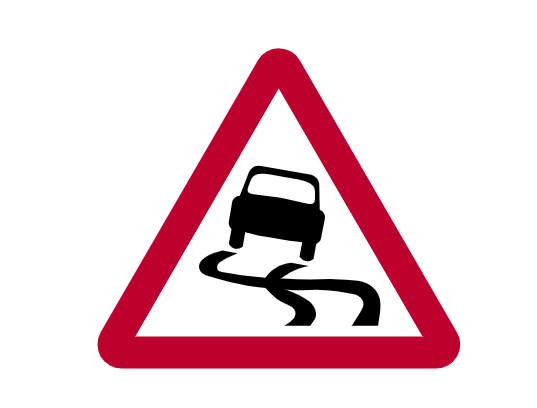
End of dual carriageway.
Risk of ice.
Slippery road ahead.
This sign signifies that there are slippery road conditions ahead. Drivers should slow down and exercise caution to prevent accidents.
What does this sign warn you about?
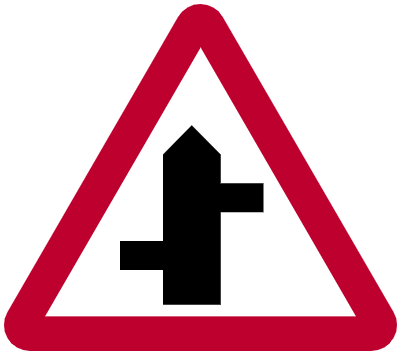
A single lane ahead.
Staggered junction.
A dead-end road.
This sign warns of a staggered junction where two side roads join at different points, requiring extra caution.
What action does this sign recommend?
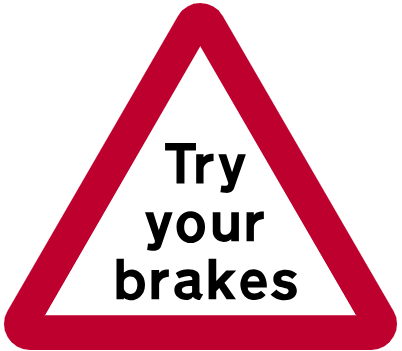
Test your brakes.
Reduce your speed.
Use a lower gear.
This sign recommends that drivers should test their brakes. It is crucial for safety, especially after crossing a ford or before descending a steep hill.
What does this sign indicate?
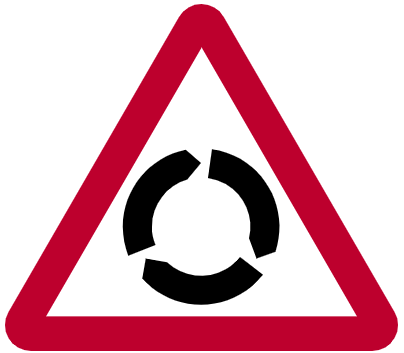
Roundabout ahead.
Stop and give way.
No overtaking.
This sign warns drivers of a roundabout ahead, where they must slow down and give way to traffic already in the roundabout.
What does this sign warn drivers about?
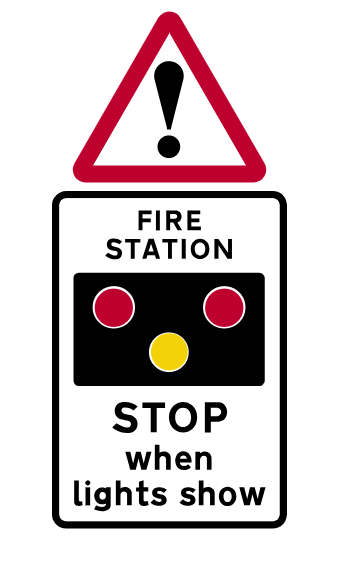
Traffic lights not in use.
Emergency vehicle signals ahead.
Traffic signals only operate at night.
This sign warns drivers to stop at traffic signals indicating the presence of emergency services. It helps facilitate their quick response and maintain safety on the road.
What does this road sign indicate?
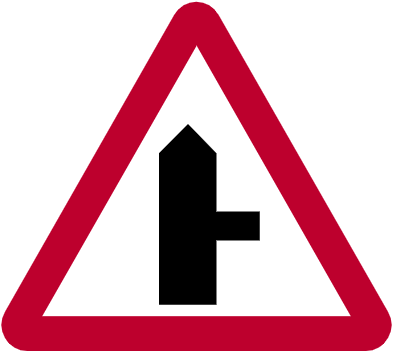
Staggered junction ahead.
Side road ahead.
Crossroads ahead.
This sign indicates that a side road joins the main road ahead, so be cautious of merging vehicles.
What should drivers anticipate when they see this sign?
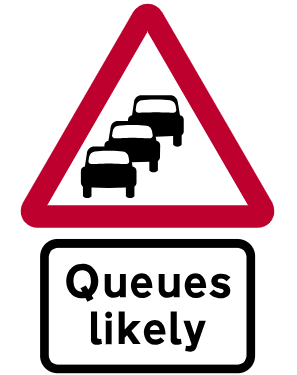
Free-flowing traffic ahead.
Traffic queues likely ahead.
Two-way traffic ahead.
This sign indicates that queues of vehicles are likely ahead. Drivers should prepare to slow down and navigate through potential stop-and-go traffic.
What does this road sign indicate?
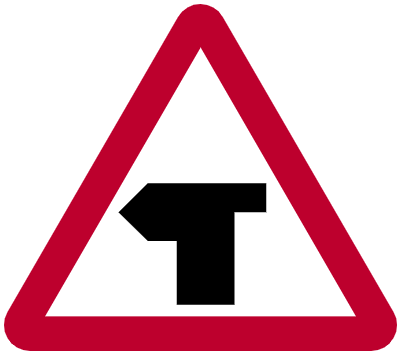
A sharp curve.
A road ending ahead.
A T-junction ahead.
This sign warns that the road you’re on is ending and meeting another road at a T-junction.
What does this sign indicate to drivers?
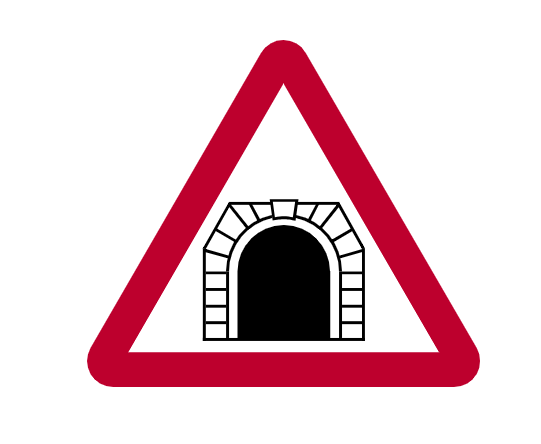
STOP line ahead.
GIVE WAY line ahead.
Tunnel is ahead.
This sign indicates that a tunnel is ahead. Drivers should prepare for changes in lighting and be mindful of their speed as they enter.
When encountering this sign, what should you be prepared for?
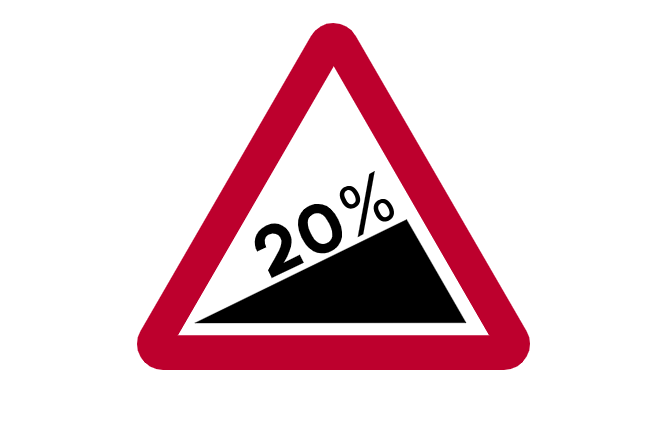
Low bridge ahead.
Narrow road ahead.
Steep hill upwards.
This sign indicates a steep hill with a 20% gradient. Drivers should reduce speed and be ready for a challenging climb.
When you see this sign, what should you be aware of?
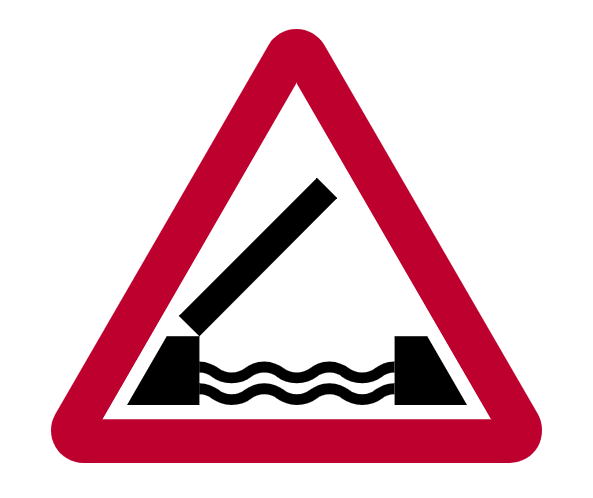
An opening or swing bridge is ahead.
There is a toll booth ahead.
A construction zone is approaching.
This sign indicates that an opening or swing bridge is ahead. These bridges can open to allow boats to pass, so drivers should be prepared to stop if necessary. Always pay attention to any warning signals or barriers that indicate the bridge is about to open.
What does this road sign indicate?
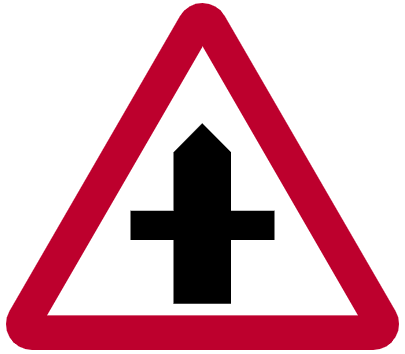
No U-turn.
No entry.
Crossroads ahead.
This sign indicates a crossroads ahead where traffic may cross your path.
When you see this sign, what does it indicate?
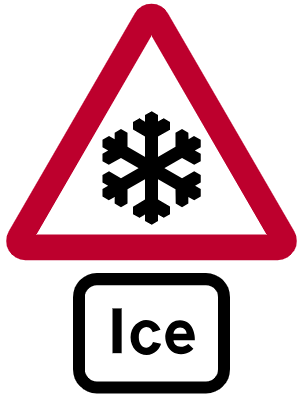
Risk of ice on the road.
Snowdrifts are blocking the road.
Slippery conditions due to rain.
This sign indicates that there is a risk of ice on the road. Drivers should reduce speed and be cautious to prevent slipping and losing control.
What does this sign indicate?
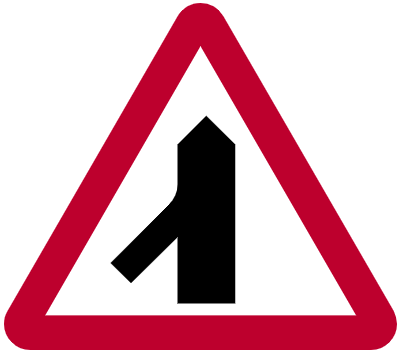
Traffic merging from the left.
Pedestrian crossing ahead.
Overtaking prohibited.
This sign warns that traffic from a side road or slip road will merge from the left, so be prepared to adjust speed or change lanes safely.